
See Our Latest News
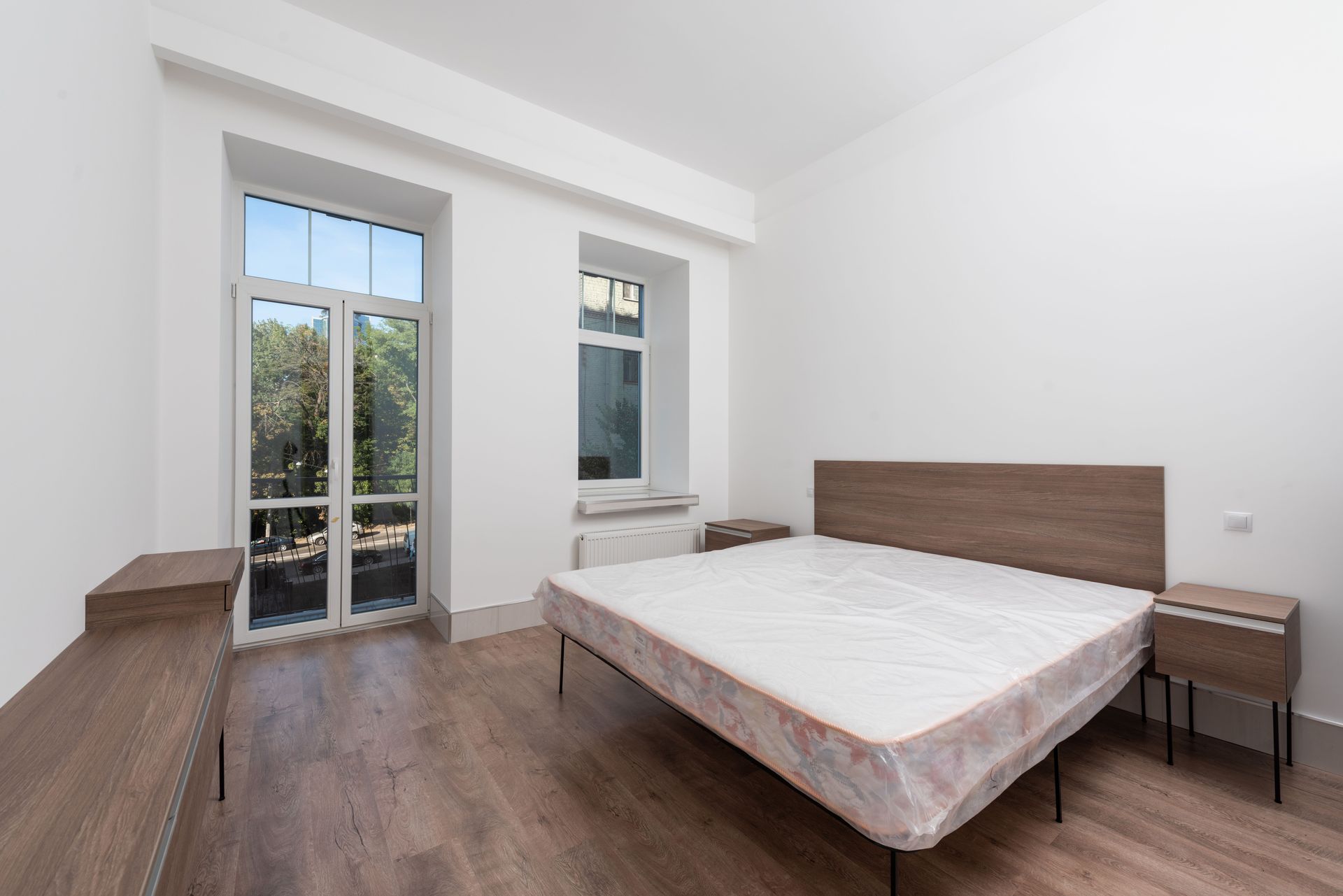
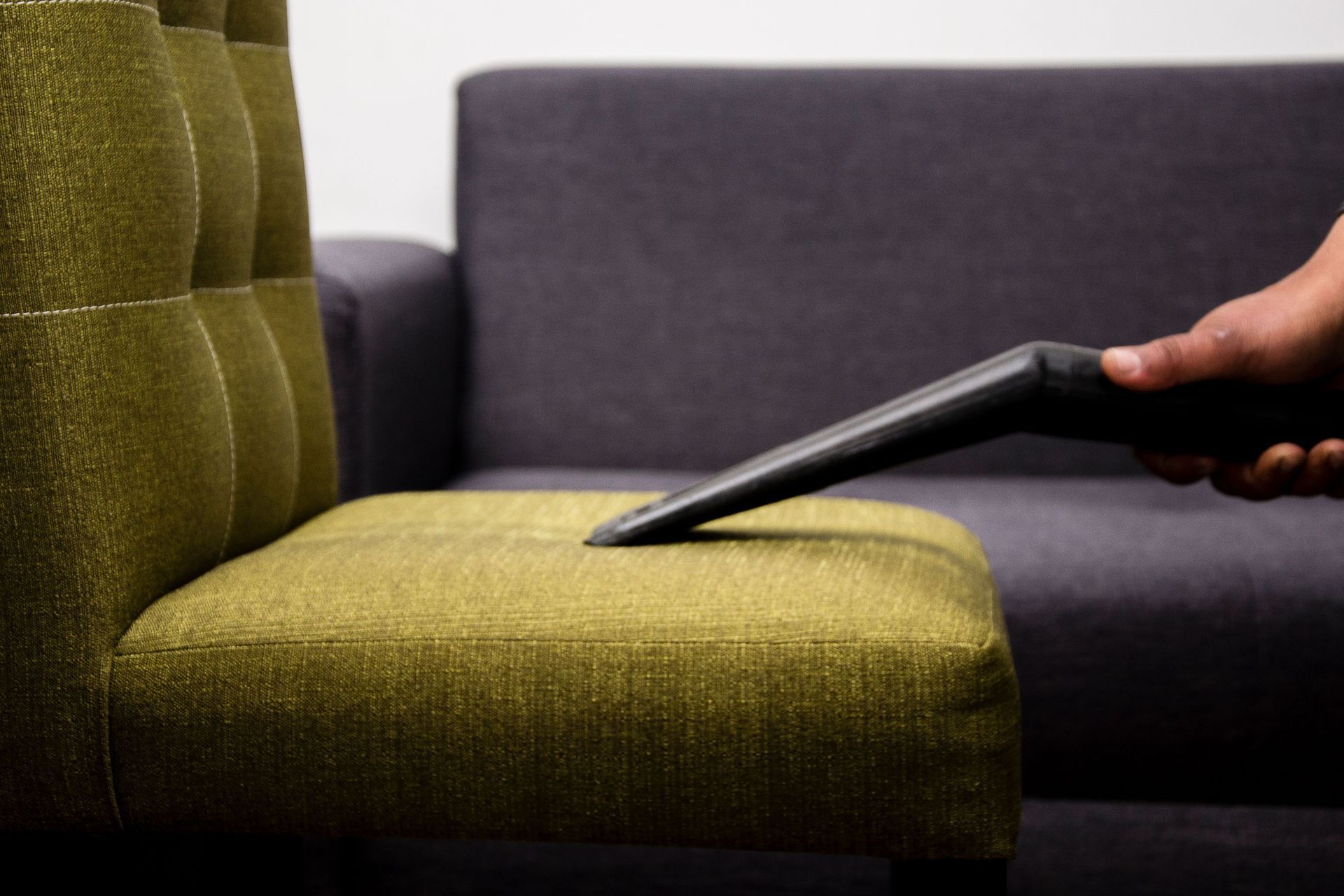


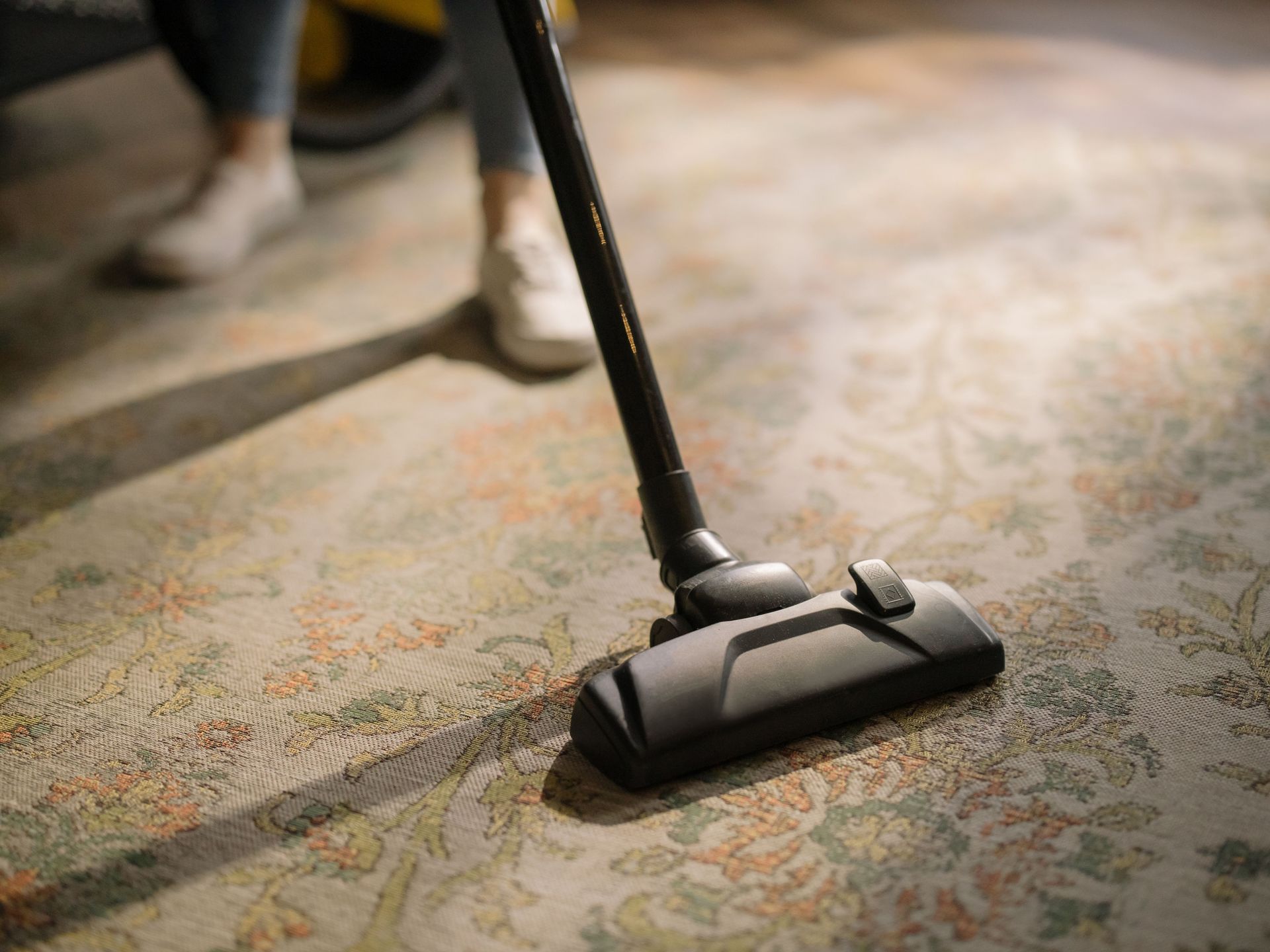

Summer is hard on furniture. Windows are open, kids are home, people are eating on the sofa, and everyone is wearing sunscreen. The stains that show up between June and August are a fairly predictable list, and almost all of them are more treatable in the first ten minutes than they will ever be again. Below is what to do about eight of the most common ones. Before any of it, three rules that matter more than any individual technique.

There is a moment near the end of every mattress sale where the associate says some version of "and you'll want a protector for that." The customer, who has just committed to spending well into four figures, hears one more thing being added to the pile. They say they will think about it. The sale closes without it. Six months later a spill happens, the customer files a warranty claim, and someone has to explain that a stained mattress is excluded from the manufacturer's warranty. That conversation is worse for everyone than the one the associate could have had at the point of sale.

Most furniture retailers who sell protection plans have never asked where the money goes after the claim. The customer pays for coverage. Some portion covers the retailer's commission. Some portion funds claims. And the remainder, the underwriting profit left over when claims come in below the premium collected, goes to whoever carries the risk. For most retailers, that is a third party. A captive changes who that party is. This article is general information about a financial structure, not legal, tax, actuarial, or insurance advice. Captives involve regulatory and tax considerations that vary by jurisdiction and by company. Talk to qualified counsel and an actuary before making decisions.

Ask a service manager what their most expensive line item is and the answer is rarely parts. It's the truck. Every in-home visit carries a technician's time, fuel, scheduling overhead, and a customer who has now blocked out a window of their day. When that visit ends without a repair because the technician arrived without the right part, the cost doubles and the customer's patience does not. The frustrating part is how often that outcome is predictable. A blurry photo of a reclining mechanism does not tell you which mechanism it is. A close-up of a seam does not show whether the frame beneath it is square. So the visit gets scheduled anyway, and the diagnosis happens in the customer's living room instead of before anyone left the shop.
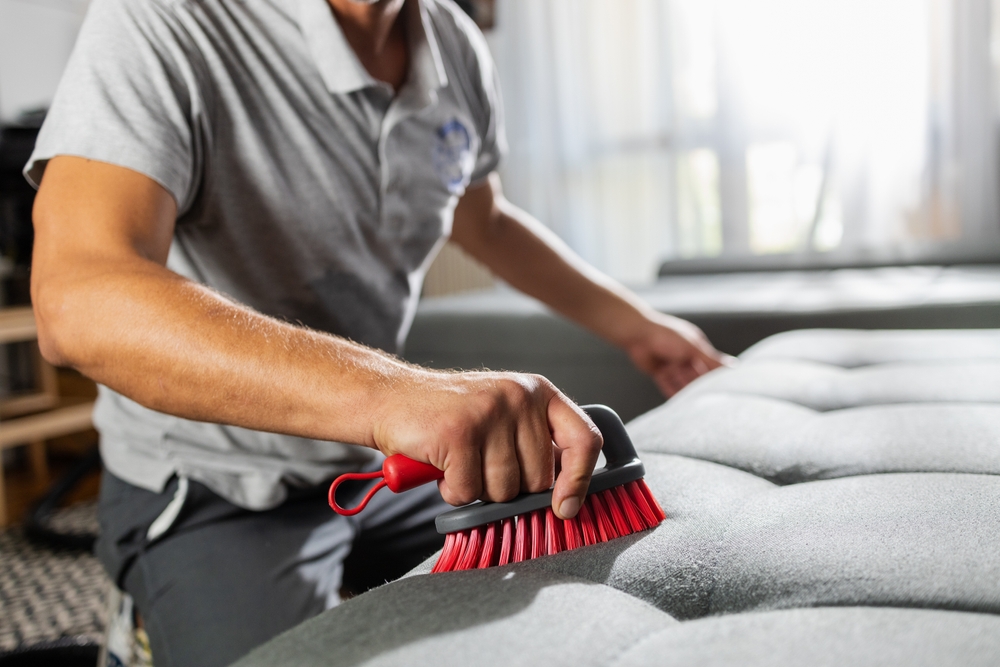
Discover how furniture care programs build long-term customer loyalty with protection plans, in-home repair, and clear support that turns one-time sales into repeat business.

For years, fabric protection was one of the least complicated conversations on a furniture sales floor. A customer bought a sofa, the salesperson explained that a treatment would help with spills and stains, and everyone moved on. That conversation has changed. PFAS, the class of synthetic "forever chemicals" long used to make textiles repel water and oil, is now the subject of state legislation, retailer procurement policies, and an increasingly informed customer base. If your store sells a fabric protection program, or offers a protection plan that covers stains, you are part of that conversation whether you planned to be or not. Here's a practical look at where things stand and what retailers should be asking.

Learn what to look for in a furniture repair and service partner, from in-home repair and claims expertise to technology, communication, and brand protection that keeps customers loyal.
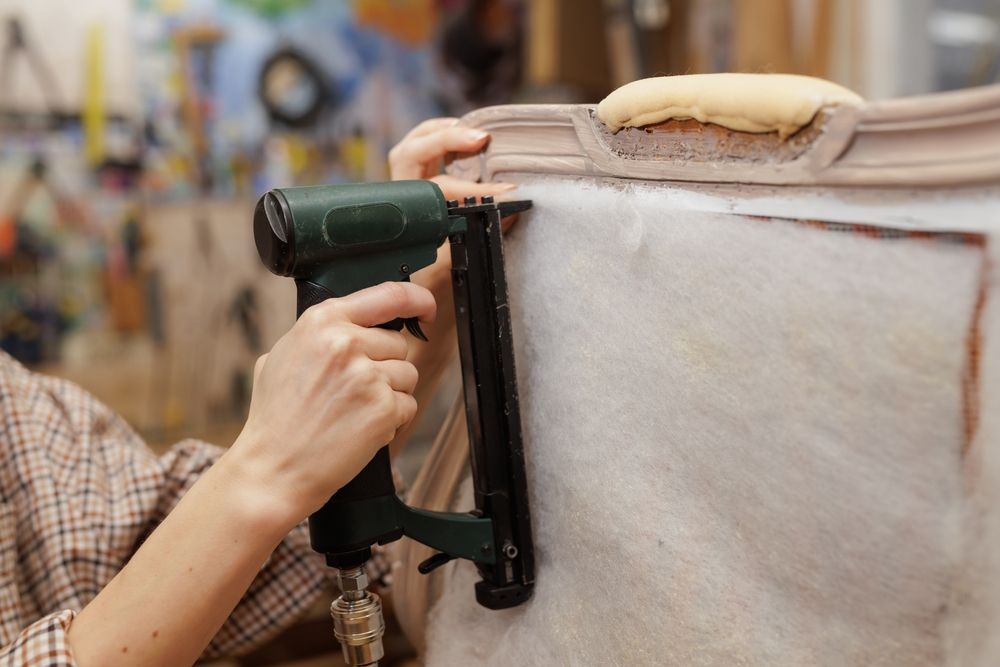
Learn why furniture retailers should outsource customer service and repair support to a dedicated partner to save time, improve satisfaction, and protect their reputation after the sale.

Learn how furniture retailers can reduce service issues after delivery by setting expectations, documenting deliveries, training teams, and offering in-home repair to boost satisfaction.
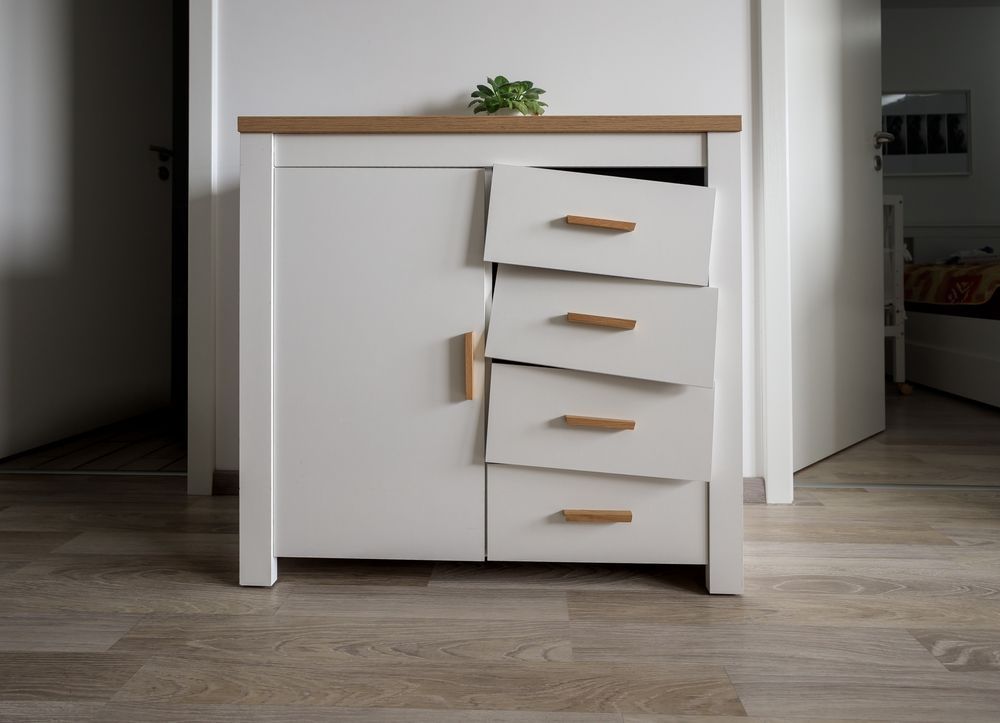
Discover the hidden cost of poor furniture claims management, from wasted staff time and bad reviews to lost sales, and how a better process protects loyalty and reputation.

Understand the difference between furniture protection plans and manufacturer warranties, including what each covers, how claims work, and how to explain them clearly to customers.

Discover how in-home furniture repair improves customer satisfaction with convenient, skilled service that reduces replacements, builds loyalty, and enhances the post-purchase experience.
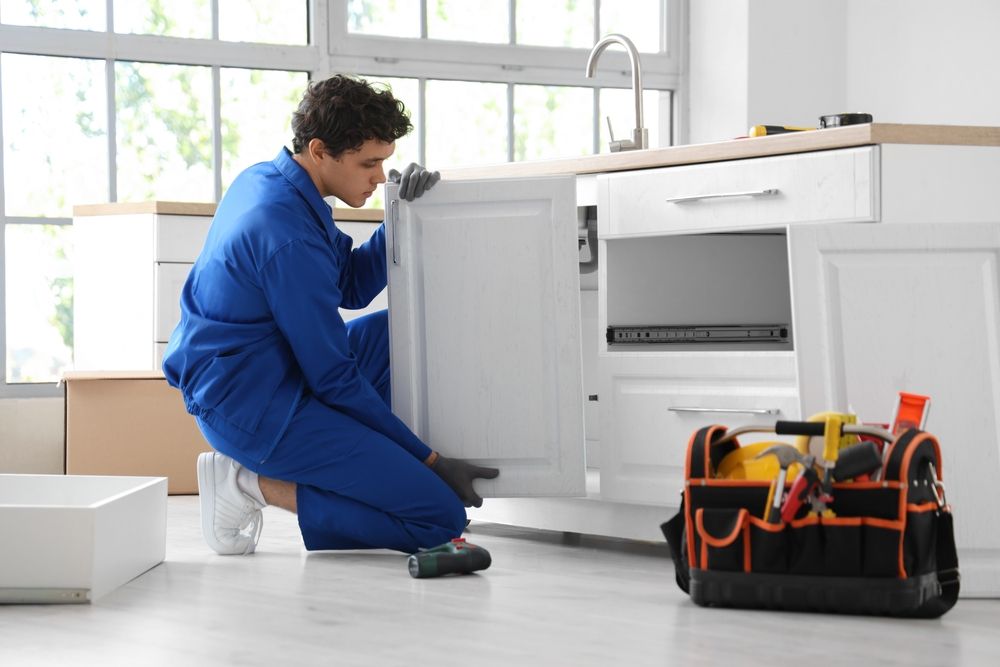
Extended furniture service programs are becoming an increasingly important part of the furniture buying experience. Customers are investing in sofas, sectionals, recliners, dining tables, bedroom sets, mattresses, and other pieces that they expect to use for years. With that investment comes a need for confidence. They want to know what happens if something goes wrong after the sale, and retailers and manufacturers need a reliable way to support them.

Learn why furniture retailers need a better post-purchase service strategy, from protection plans and in-home repair to clear communication that builds loyalty and repeat sales.

In furniture retail, most of the focus is placed on the sale. Merchandising, pricing, promotions, and showroom experience all play a role in converting customers. While these elements are important, they represent only part of the overall journey. What happens after the sale often has a greater impact on long term success than the sale itself. Once a customer makes a purchase, their expectations shift. They are no longer evaluating your brand based on product selection or pricing. They are evaluating it based on delivery, service, and support. This is where many retailers lose momentum. The attention and effort that went into securing the sale are not always carried through the post purchase experience. ServeCo’s model is built around extending the customer experience beyond the transaction. By providing structured service and support, they help retailers maintain engagement and build stronger relationships. One of the most important aspects of the post sale experience is communication. Customers want to know what to expect and when to expect it. Clear and consistent communication reduces uncertainty and builds trust. When issues arise, the importance of communication becomes even greater. A delayed response or lack of clarity can quickly lead to frustration. On the other hand, a prompt and transparent response can turn a negative situation into a positive one. Service quality is another critical factor. Customers expect problems to be resolved efficiently and professionally. This requires trained technicians, clear processes, and reliable systems. ServeCo’s repair network is designed to deliver this level of consistency. By controlling the service experience, they ensure that customers receive the same quality regardless of location. Another important element is convenience. Today’s customers value simplicity and ease. Processes that are complicated or time consuming create friction and reduce satisfaction. Technology helps address this by providing tools for tracking, scheduling, and communication. Customers can see the status of their service request and stay informed throughout the process. The emotional aspect of the experience should not be overlooked. Furniture purchases are often tied to important moments, such as moving into a new home or upgrading a living space. When issues arise, they can feel more personal. Handling these situations with care and professionalism reinforces the customer’s trust in your brand. The long term impact of a strong post sale experience is significant. Customers who feel supported are more likely to return and recommend your business to others. In contrast, a poor experience can lead to negative reviews, lost customers, and missed opportunities. Retailers that prioritize the post sale experience differentiate themselves in a meaningful way. They create a complete journey that goes beyond the transaction and builds lasting relationships. ServeCo supports this approach by providing the infrastructure needed to deliver consistent, high quality service. In today’s competitive market, the sale is just the beginning. The experience that follows is what defines your brand.

Many furniture retailers view service as a cost center. It is something that has to be managed, minimized, or controlled. While that mindset is common, it also limits growth. The reality is that service, when structured correctly, can become a meaningful source of revenue and a major driver of customer loyalty. The shift starts with changing how service is viewed. Instead of being reactive, it needs to become proactive and integrated into the overall business model. This means designing service in a way that supports both the customer experience and the financial performance of the business. One of the most direct ways service generates revenue is through protection plans. When customers purchase extended service coverage, they are investing in long term support. This creates immediate revenue at the point of sale while also opening the door for ongoing engagement. ServeCo’s extended service programs are designed to align with this model. They allow retailers to generate revenue from protection plans while also delivering real value to the customer. This combination is what makes service financially viable rather than purely operational. Another way service contributes to revenue is through retention. Acquiring new customers is expensive, especially in furniture retail where purchase cycles are longer. Keeping existing customers engaged is far more efficient. When service issues are handled well, customers are more likely to return. They feel supported and confident in the brand. Over time, this leads to repeat purchases and higher lifetime value. Service also creates opportunities for upselling and cross selling. When technicians or service teams interact with customers, they have visibility into how products are being used. This creates natural opportunities to recommend additional products, upgrades, or services. For example, a repair visit may reveal that a customer is ready for a replacement or an upgrade. These moments can be leveraged to drive additional sales if the process is structured correctly. Technology plays a key role in making this possible. Centralized systems allow retailers to track service interactions, identify opportunities, and follow up with customers in a meaningful way. This turns service into a data driven function rather than a reactive one. ServeCo integrates technology into its service model to support this level of visibility. Retailers can see what is happening across their service operations and use that information to drive decisions. Another important aspect is efficiency. Service becomes more profitable when it is managed efficiently. This includes optimizing scheduling, reducing travel time, and ensuring that technicians have the tools they need to complete jobs quickly. A structured service network, like the one provided by ServeCo, helps achieve this. By standardizing processes and training, retailers can reduce variability and improve outcomes. Cost control is also critical. While service can generate revenue, it must also be managed carefully to avoid unnecessary expenses. This requires clear processes, defined workflows, and continuous monitoring. Training is another factor that impacts profitability. Service teams need to understand both the technical and customer facing aspects of their role. When technicians are able to resolve issues quickly and communicate effectively, it improves both efficiency and satisfaction. The long term value of service extends beyond individual transactions. It shapes how customers perceive your brand. A business that handles service well is seen as reliable and trustworthy, which drives future revenue. For retailers willing to rethink their approach, service offers a significant opportunity. It can move from being a cost center to a revenue generating function that supports growth. ServeCo provides the structure, technology, and expertise needed to make this transition. By aligning service with business goals, retailers can unlock new revenue streams and strengthen their customer relationships.
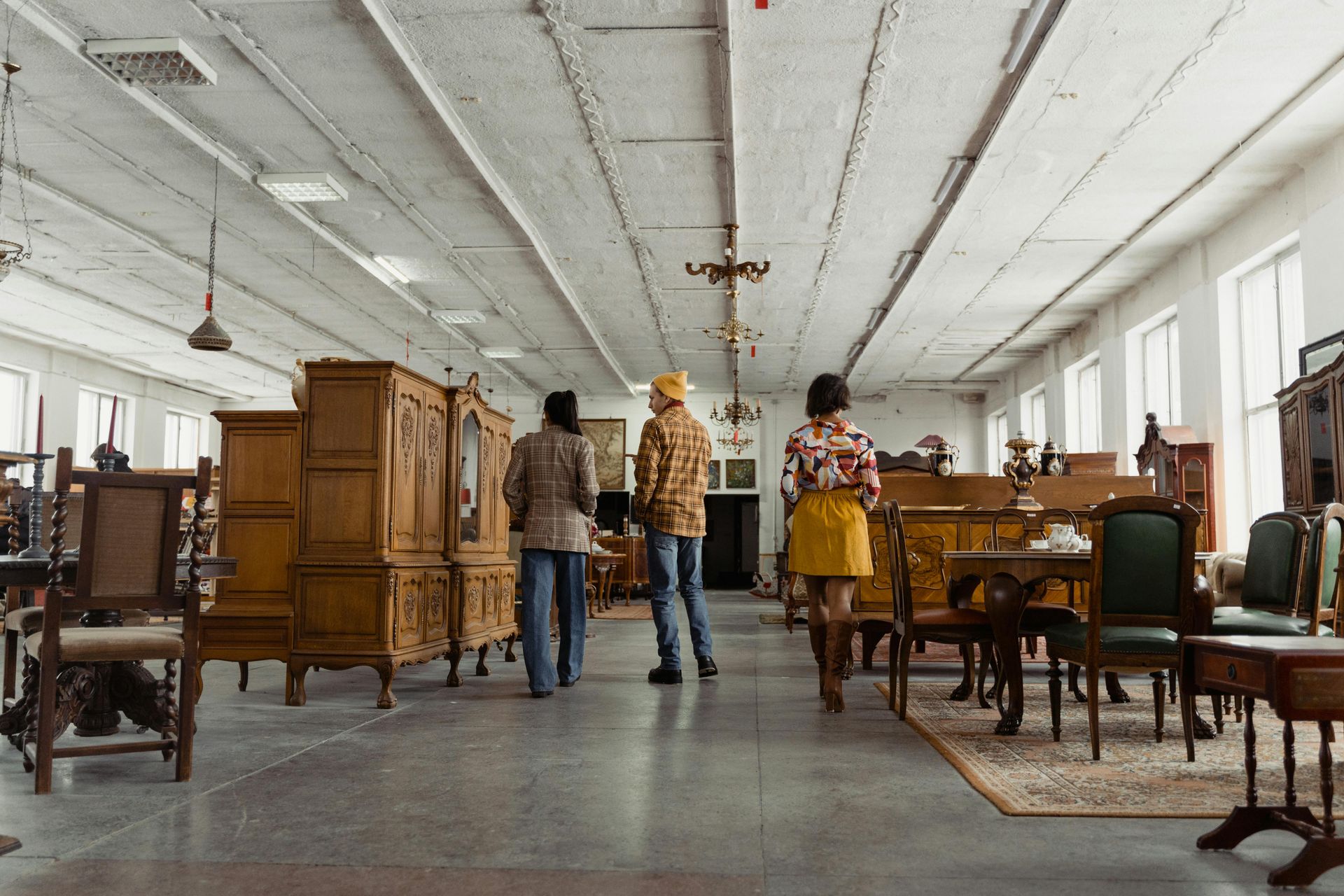
The furniture industry is more competitive than ever. With online retailers, large chains, and local stores all competing for attention, standing out has become increasingly difficult. Price alone is no longer enough to differentiate your business. Customers today are looking for more than just products. They are looking for experience, support, and confidence in their purchase. This is where many retailers fall short, and where the biggest opportunities exist. Differentiation starts with understanding what matters most to your customers. While style and price are important, the overall experience often has a greater impact on decision making. One of the most effective ways to stand out is through service. Offering structured service programs, protection plans, and repair solutions creates a level of support that many competitors do not provide. ServeCo’s programs are designed to enhance this experience by providing ongoing support after the sale. This shifts the perception of your business from a transactional retailer to a long term partner. Another important factor is trust. Customers want to feel confident in their purchase, especially when making a significant investment. Providing clear information, transparent policies, and reliable service builds that trust. Technology also plays a role in differentiation. Offering features like real time service tracking and clear communication creates a modern and convenient experience. This is especially important as customer expectations continue to evolve. Product selection is another area where retailers can stand out, but it must be combined with expertise. Helping customers make informed decisions adds value beyond the product itself. Sales teams should be trained to guide customers rather than simply process transactions. This creates a more engaging and personalized experience. Brand positioning is also critical. How your business is perceived influences customer decisions. A strong focus on service, reliability, and customer care can set you apart in a crowded market. Marketing should reflect this positioning. Highlighting service programs, protection plans, and customer support in your messaging reinforces your value. Another way to differentiate is through consistency. Delivering the same high quality experience across all touchpoints builds credibility and trust. Inconsistent experiences can damage your brand and make it harder to compete. ServeCo helps retailers achieve this consistency by providing structured service solutions that align with brand standards. Ultimately, differentiation is about creating a complete experience that goes beyond the product. When customers feel supported, informed, and confident, they are more likely to choose your business and return in the future. In a competitive market, the retailers that succeed are the ones that focus on experience, not just inventory.

In today’s retail environment, data is one of the most valuable tools available. While many furniture retailers focus on sales metrics, service data is often overlooked. This is a missed opportunity, because service operations generate insights that can directly improve efficiency, reduce costs, and enhance the customer experience. Every service request contains valuable information. From the type of issue to the time it takes to resolve, these data points can reveal patterns that are not immediately obvious. When analyzed correctly, they provide a roadmap for improving operations. One of the most important metrics to track is resolution time. How long does it take from the moment a customer reports an issue to the moment it is resolved. Long resolution times often indicate inefficiencies in scheduling, communication, or resource allocation. By identifying where delays occur, retailers can make targeted improvements that reduce wait times and improve satisfaction. Another key metric is issue type frequency. Understanding which types of problems occur most often can help identify root causes. For example, if a certain type of damage is common, it may be related to product design, delivery handling, or customer usage patterns. This insight allows retailers to address the problem proactively rather than reacting to it repeatedly. Customer satisfaction scores are another critical data point. Service interactions have a direct impact on how customers perceive your brand. Tracking satisfaction levels helps identify areas where the experience can be improved. ServeCo integrates reporting tools that provide visibility into these metrics. By centralizing data, retailers can monitor performance across locations and ensure consistency. Another important aspect is cost analysis. Service operations involve labor, materials, and logistics. Tracking these costs allows retailers to identify inefficiencies and optimize resource allocation. For example, if certain repairs are consistently more expensive, it may be more cost effective to adjust the approach or explore alternative solutions. Data also supports better forecasting. By understanding service trends, retailers can anticipate demand and allocate resources accordingly. This reduces bottlenecks and improves overall efficiency. Technology plays a key role in making data accessible and actionable. Centralized platforms allow retailers to view performance in real time, track progress, and make informed decisions. ServeCo’s technology driven approach ensures that data is not just collected, but used effectively. This transforms service from a reactive function into a strategic advantage. Another benefit of data is accountability. When performance is measurable, it becomes easier to identify areas for improvement and hold teams responsible for results. This leads to continuous improvement and a more consistent customer experience. For multi location retailers, data is especially important. It provides a way to compare performance across locations and ensure that standards are being met. Without data, it is difficult to identify inconsistencies or measure progress. Ultimately, data and reporting turn service operations into a measurable and manageable part of the business. Instead of guessing, retailers can make decisions based on real information. ServeCo provides the tools and expertise needed to leverage this data effectively. By focusing on insights and continuous improvement, retailers can optimize service operations and create a stronger overall business.

One of the biggest missed opportunities in furniture retail is not the product itself, but how protection plans are presented. Many retailers have strong protection programs available, but struggle with low attachment rates because sales teams either avoid offering them or present them in a way that creates resistance. The issue is not the product. The issue is positioning, confidence, and process. When customers push back on protection plans, it is usually because they do not understand the value or feel like it is being forced on them at the end of the sale. Fixing this requires a shift in how sales teams approach the conversation. The first step is changing when the protection plan is introduced. Too often, it is presented after the customer has already made a decision, which makes it feel like an add on. Instead, protection should be introduced early in the conversation as part of the overall purchase. When protection is positioned as part of the product experience, it feels natural. The customer begins to think about ownership, care, and long term value from the beginning rather than being surprised at checkout. Another key factor is language. Sales teams should not present protection plans as insurance or an extra cost. Instead, they should focus on what the plan actually does. This includes covering real life situations like spills, stains, and accidental damage that customers are likely to experience. Customers do not respond to features, they respond to outcomes. Explaining how a plan protects their investment and simplifies the ownership experience makes the conversation more relevant. Confidence is also critical. If a sales associate is hesitant or unsure, the customer will pick up on it. Training should focus on helping teams fully understand the product so they can speak about it naturally and with confidence. Role playing and repetition are effective ways to build this confidence. When sales teams practice the conversation and hear how it should sound, they are more comfortable delivering it in real situations. Another important element is personalization. Not every customer has the same needs. A household with kids and pets will have different concerns than a single professional. Sales teams should be trained to ask questions and tailor the conversation based on the customer’s lifestyle. This approach makes the recommendation feel helpful rather than transactional. Timing and pacing also matter. Rushing through the protection plan at the end of the sale creates friction. Instead, it should be integrated into the overall flow of the conversation so it feels like a natural step. ServeCo’s programs are designed to support this type of selling. By offering tiered options and clear value, they make it easier for sales teams to present protection in a way that resonates with customers. Another effective strategy is using real examples. Sharing common scenarios where protection plans have helped customers adds credibility and makes the value more tangible. Customers often think, “That won’t happen to me,” until they hear a relatable example. Stories help bridge that gap and make the decision easier. It is also important to track performance. Monitoring attachment rates and identifying which team members are successful can provide insight into what is working. This allows for targeted coaching and continuous improvement. Incentives can also play a role, but they should not be the primary driver. While rewards can motivate behavior, the goal is to build a culture where protection plans are seen as a valuable part of the customer experience, not just a sales target. At the end of the day, selling protection plans is about helping customers make better decisions. When sales teams understand the value and present it effectively, resistance decreases and results improve. ServeCo provides the tools, structure, and support needed to train teams and improve performance. With the right approach, protection plans become an easy and natural part of every sale.

As furniture retailers expand into multiple locations, maintaining consistent service becomes increasingly difficult. What works for a single store often does not scale effectively across regions, leading to inconsistencies, inefficiencies, and customer dissatisfaction. Building a scalable service model requires more than adding resources. It requires structure, standardization, and the right technology to ensure that every location delivers the same experience. One of the biggest challenges multi location retailers face is variability. Different stores may handle service differently, use different providers, or follow different processes. This creates an inconsistent experience for customers and makes it difficult to maintain brand standards. A scalable service model starts with standardization. Processes need to be clearly defined and applied across all locations. This includes how service requests are handled, how repairs are scheduled, and how communication is managed. ServeCo provides a centralized service framework that allows retailers to maintain consistency regardless of location. By using a unified system, retailers can ensure that every customer receives the same level of service. Another key component is a controlled repair network. Relying on independent or unverified providers can lead to inconsistent results. A structured network of trained technicians ensures that repairs are completed to a consistent standard. Technology is essential for scalability. Centralized platforms allow retailers to track service requests, monitor performance, and manage operations across multiple locations. This visibility is critical for maintaining control and identifying issues. Communication is another important factor. Customers expect clear and timely updates regardless of where they made their purchase. A scalable model ensures that communication is consistent and aligned with brand standards. Training also plays a role in scalability. Teams across different locations need to be trained in the same processes and expectations. This ensures that service quality does not vary based on location. Flexibility is also important. While standardization is key, the model must also allow for adjustments based on regional differences or specific needs. A balance between consistency and adaptability is what makes a service model truly scalable. Another consideration is cost management. Scaling service operations can increase expenses if not managed properly. A structured model helps control costs by improving efficiency and reducing unnecessary duplication. ServeCo’s FlexServe program supports scalability by allowing retailers to outsource service operations while maintaining control over the customer experience. This approach reduces internal complexity and provides access to specialized expertise. For multi location furniture retailers, building a scalable service model is not optional. It is essential for maintaining brand integrity and supporting growth. By focusing on structure, consistency, and technology, retailers can create a service model that supports expansion while delivering a high quality customer experience. ServeCo provides the tools and expertise needed to build and maintain this type of model, helping retailers scale with confidence.

Poor furniture service is one of the most expensive problems a retailer can face, yet it is often underestimated. While the direct costs of service failures are visible, the long term impact on customer relationships, brand reputation, and revenue is far greater. When a customer experiences an issue with their furniture, their perception of your brand is at its most vulnerable. The way that issue is handled determines whether the relationship strengthens or breaks. A poorly managed service experience can turn a satisfied customer into a lost one, and often into a negative voice that influences others. The most obvious cost of poor service is returns and replacements. When issues are not resolved quickly or effectively, customers often request refunds or exchanges. This leads to lost revenue, additional logistics costs, and inventory complications. Beyond direct costs, there is also the impact on customer lifetime value. Furniture purchases are not frequent, which means every customer relationship is valuable. Losing a customer due to poor service eliminates future revenue opportunities that could have extended over years. Negative reviews are another major consequence. Today’s customers rely heavily on online reviews when choosing where to shop. A single negative service experience can lead to public feedback that influences multiple potential buyers. Over time, this can impact traffic, conversion rates, and overall brand perception. Operational inefficiency is another hidden cost. Without a structured service process, teams spend more time handling complaints, coordinating repairs, and managing escalations. This reduces productivity and increases internal stress. ServeCo addresses these challenges by creating a structured and consistent service model. Their approach focuses on clear communication, trained technicians, and efficient processes that reduce variability and improve outcomes. One of the most important improvements is response time. Customers expect quick acknowledgment and clear next steps. Delays create frustration and uncertainty, which often leads to escalation. By responding quickly and providing a clear path forward, retailers can prevent issues from growing. Consistency is another key factor. Customers should receive the same level of service regardless of location or situation. This requires standardized processes and trained teams that understand both technical repair and customer interaction. Technology also plays a role in fixing service issues. Real time tracking, automated updates, and centralized systems improve visibility and coordination. This reduces confusion and ensures that everyone involved is aligned. Training is critical as well. Service teams need to be equipped not only with technical skills but also with communication skills. The way a technician interacts with a customer can significantly impact the overall experience. Another important step is measuring performance. Tracking metrics such as resolution time, customer satisfaction, and repeat issues helps identify areas for improvement. Without data, it is difficult to refine the service process. Improving furniture service is not just about fixing problems, it is about creating a system that prevents them. A well designed service model reduces costs, improves efficiency, and strengthens customer relationships. ServeCo’s approach focuses on turning service into a positive experience rather than a reactive process. By addressing the root causes of service issues and implementing structured solutions, retailers can protect their brand and improve long term performance. In today’s competitive market, service is not a secondary function. It is a core part of the customer experience and a major driver of business success.

Furniture returns are one of the most expensive and frustrating challenges retailers face. Unlike smaller retail products, furniture involves delivery logistics, restocking complications, and often resale limitations. Every return does not just impact revenue, it affects operational efficiency, customer satisfaction, and long term profitability. Many retailers focus on improving product quality or refining delivery processes to reduce returns, but one of the most overlooked solutions is improving post purchase service and implementing strong protection programs. When done correctly, these strategies can significantly reduce return rates while improving the overall customer experience. At the core of most furniture returns is not dissatisfaction with the product itself, but uncertainty or frustration when issues arise. A customer who experiences a stain, minor damage, or functional issue may feel that returning the item is their only option if there is no clear path to resolution. This is where structured service and protection programs become critical. Protection plans play a key role in reducing returns by shifting the customer mindset. Instead of viewing the product as something that can fail, customers see it as something that is supported. When a protection plan is in place, issues like spills, accidental damage, or wear are no longer reasons to return the product. They become service events that can be resolved. ServeCo’s extended service programs are designed specifically around this concept. They focus on real world scenarios that customers experience, such as stains, structural concerns, and accidental damage. By addressing these issues directly, they remove the primary triggers that lead to returns. Another major factor is the speed and clarity of the service process. Customers are far more likely to request a return when they feel ignored or uncertain. A delayed response, lack of communication, or unclear process can quickly escalate a minor issue into a return request. On the other hand, a structured and responsive service experience builds confidence. ServeCo integrates technology into the service process to provide real time updates and clear communication. Customers know what to expect, when to expect it, and how their issue is being handled. This transparency reduces frustration and reinforces trust in the retailer. Repair services are another critical component in reducing returns. Many issues that lead to returns can be resolved through professional repair. Instead of replacing the product entirely, technicians can address the problem directly, preserving the sale and maintaining customer satisfaction. This approach not only reduces costs but also improves efficiency. Returns involve transportation, inspection, and often discounting the product for resale. Repairing the item in the customer’s home eliminates many of these steps and keeps the process streamlined. Training also plays a role in reducing returns. Sales teams need to properly set expectations at the time of purchase. When customers understand what is covered, how service works, and what to expect, they are less likely to react negatively when issues arise. Clear communication at the beginning prevents confusion later. Another important aspect is positioning protection plans as part of the purchase, not an optional add on. When customers see protection as a natural extension of the product, they are more likely to accept it and rely on it when needed. Reducing returns is not just about preventing negative outcomes, it is about creating positive experiences. When customers feel supported, they are more forgiving of minor issues and more willing to work through solutions. From a financial perspective, even a small reduction in return rates can have a significant impact. Preserving sales, reducing logistics costs, and maintaining product value all contribute to stronger margins. For furniture retailers looking to improve profitability and customer satisfaction, focusing on service and protection programs is one of the most effective strategies available. ServeCo provides the structure, technology, and expertise needed to implement these solutions successfully. Returns will always be part of retail, but with the right approach, they can be minimized and managed in a way that supports long term growth.
In furniture retail, reputation is everything. While product quality and pricing are important, the way you handle service issues often has a greater impact on how customers perceive your brand. When something goes wrong, customers remember how it was handled. A slow or frustrating service experience can damage trust, while a smooth and professional resolution can strengthen it. ServeCo focuses on turning service interactions into positive experiences. By providing structured repair processes, trained technicians, and clear communication, they help retailers protect their reputation. Service is often the only direct interaction customers have after a purchase. This makes it a critical touchpoint that influences future buying decisions. Handling service well creates loyalty. Customers are more likely to return and recommend your business when they feel supported. In a competitive market, reputation is a major differentiator. Retailers that prioritize service stand out and build stronger relationships. ServeCo provides the tools and expertise needed to deliver consistent, high quality service that protects and enhances brand reputation.
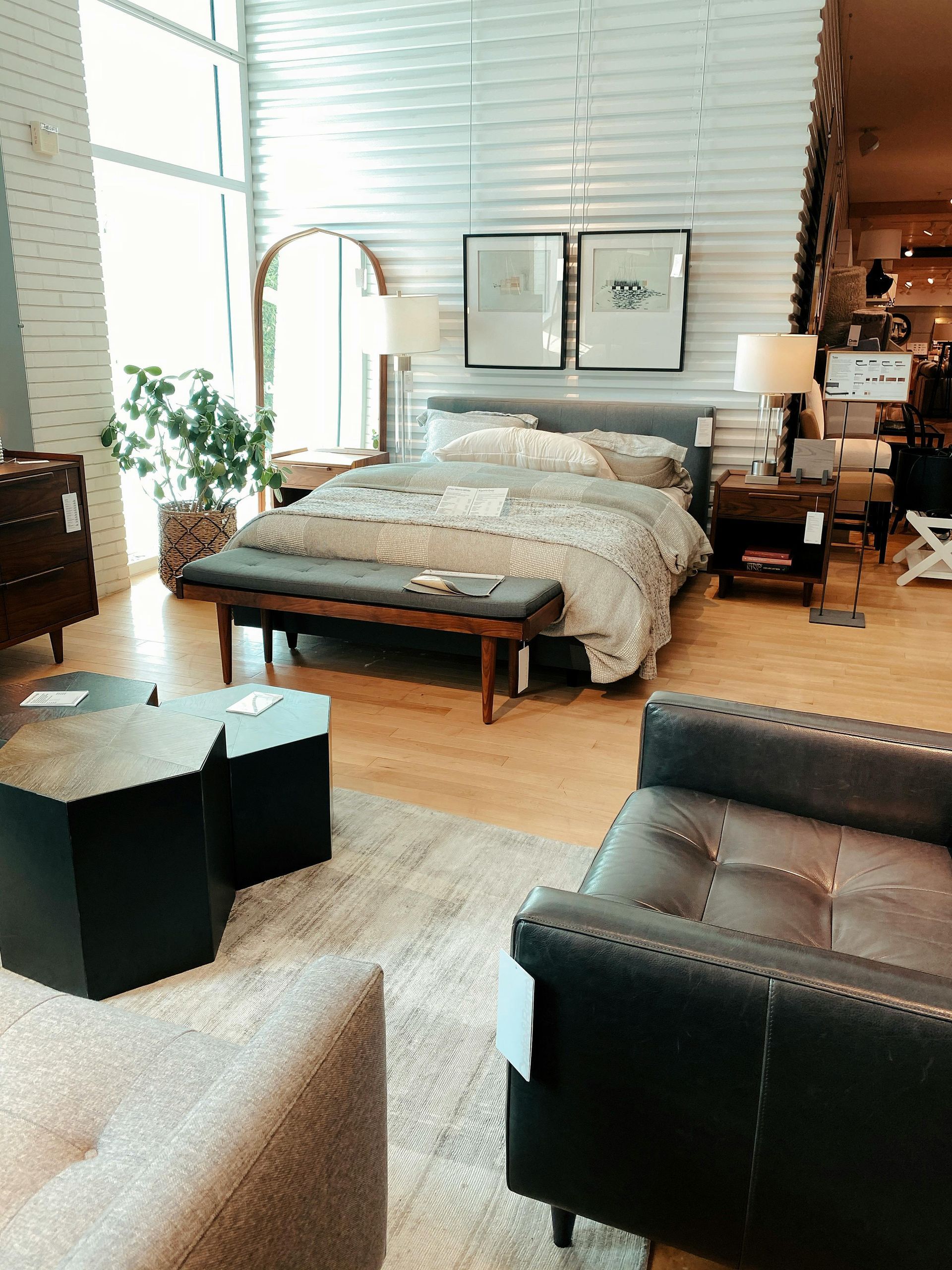
As furniture retailers grow, one of the biggest challenges they face is managing customer service. Hiring, training, and maintaining a service team requires significant resources, and it becomes more complex as volume increases. ServeCo’s FlexServe program is designed to solve this problem by allowing retailers to outsource part or all of their customer service operations. This creates flexibility and scalability without adding internal overhead. One of the biggest advantages of FlexServe is cost efficiency. Instead of maintaining a full time team, retailers can leverage a service model that adjusts based on demand. This reduces fixed costs and improves overall efficiency. FlexServe also improves service quality. ServeCo teams specialize in furniture service, which means they are equipped to handle issues quickly and effectively. This leads to faster resolutions and better customer experiences. Another benefit is focus. By outsourcing service operations, retailers can concentrate on sales, merchandising, and growth. This allows leadership to prioritize revenue generating activities instead of operational challenges. Flexibility is another key advantage. Retailers can choose how much of their service to outsource, creating a customized approach that fits their business model. For growing retailers, scalability is critical. FlexServe provides a way to handle increasing demand without increasing complexity, making it easier to expand operations.
One of the biggest challenges in furniture retail is maintaining consistent service across multiple locations. Customers expect the same level of support regardless of where they purchased their furniture, but delivering that consistency is difficult without the right infrastructure. ServeCo has addressed this challenge by building a structured repair network designed to deliver consistent service across regions. Instead of relying on disconnected providers, they use a centralized approach that standardizes processes, training, and communication. Consistency starts with technician training. ServeCo technicians are trained specifically in furniture repair and customer interaction. This ensures that every service visit reflects the retailer’s brand and meets customer expectations. Another key factor is scheduling and logistics. Coordinating service appointments can be complex, especially across different regions. ServeCo uses integrated systems to manage scheduling and ensure that appointments are handled efficiently. Technology also plays a major role. Customers can track service requests and receive updates in real time, which improves transparency and reduces frustration. This level of communication is critical in today’s environment. Quality control is another important aspect. By maintaining control over the service network, ServeCo can ensure that repairs are completed to a consistent standard. This reduces variability and protects the retailer’s reputation. For multi location retailers, this consistency is essential. Customers expect the same experience regardless of where they shop, and inconsistencies can damage trust. ServeCo’s approach allows retailers to scale without sacrificing quality. As the business grows, the service experience remains stable, which supports long term success.

Furniture protection plans are one of the most misunderstood parts of the buying process. Many customers are unsure what they actually cover, how they work, and whether they are worth it. As a retailer, helping customers understand the value of these plans is critical to both sales and long term satisfaction. A furniture protection plan is designed to cover accidental damage that occurs after the product is delivered. This is an important distinction because it fills the gap left by manufacturer warranties. While warranties typically cover defects, protection plans focus on real life situations. These situations include things like spills, stains, rips, and accidental damage that happen during everyday use. For customers with children, pets, or active households, these types of incidents are common. Without protection, these issues often lead to frustration and additional costs. One of the biggest benefits of a protection plan is peace of mind. Furniture is a significant investment, and customers want to know that it will last. Protection plans give them confidence that they are covered if something goes wrong. Another important aspect is convenience. When a covered issue occurs, the process is typically handled through a service provider. This may include cleaning, repair, or replacement depending on the situation. Instead of navigating multiple steps or dealing with uncertainty, the customer has a clear path to resolution. It is also important to understand what protection plans do not cover. Most plans exclude general wear and tear, gradual damage, or issues caused by improper use. Being transparent about this helps set proper expectations and reduces confusion later. For retailers, educating customers on coverage is critical. When customers understand what they are buying, they are more likely to see the value and less likely to be frustrated if they need to use it. Protection plans also improve the overall customer experience. Instead of viewing service issues as problems, customers see them as part of a supported process. This changes the perception of your brand and builds trust over time. Another factor is cost comparison. Repairing or replacing furniture can be expensive, especially without coverage. Protection plans offer a predictable and often lower cost alternative to handling issues independently. From a sales perspective, positioning matters. Protection plans should not be presented as an afterthought. They should be integrated into the conversation as part of the overall purchase. When done correctly, they become a natural extension of the product rather than an optional add on. ServeCo’s approach focuses on clarity, flexibility, and real world value. Their plans are designed to match how customers actually use furniture, making them easier to understand and more relevant. For customers, protection plans provide security. For retailers, they provide opportunity. When both sides understand the value, it creates a better experience and stronger long term relationships.

If you are a furniture retailer looking to improve profitability without increasing foot traffic or ad spend, protection plans are one of the most effective tools available. While most retailers think of protection plans as an add on, top performing stores treat them as a core part of their revenue strategy. Furniture protection plans are not just about covering accidents, they are about increasing the value of every transaction. When implemented correctly, they can significantly improve margins, increase average order value, and create long term revenue opportunities. At a basic level, protection plans provide immediate incremental revenue. When a customer adds a plan to their purchase, it increases the total ticket without requiring additional inventory or logistics. This makes it one of the highest margin products in a retail environment. ServeCo has built its protection programs around a tiered structure that allows customers to choose different levels of coverage based on their needs. This approach is critical because it creates more opportunities to sell. Instead of offering one standard option, retailers can present multiple price points, increasing the likelihood that a customer will choose a plan. Beyond the initial sale, protection plans reduce costly returns and replacements. Without a plan, customers who experience issues may return products or demand replacements. With coverage in place, those issues are resolved through service and repair, preserving the original sale and protecting margins. Another key factor is customer confidence. When customers know their purchase is protected, they are more likely to invest in higher quality furniture. This leads to larger transactions and higher profit per sale. Protection plans remove hesitation and make it easier for customers to commit. Protection plans also create backend financial benefits. Many programs allow retailers to participate in revenue sharing or profit structures tied to plan performance. This means that the value of the plan extends beyond the point of sale and continues to generate returns over time. ServeCo’s understanding of furniture lifecycle plays a major role in this. By designing protection plans around real usage and common issues, they increase the perceived value of the program. Customers are more likely to purchase coverage when it clearly addresses real world concerns like stains, accidental damage, and wear. Another advantage is the ability to differentiate your store from competitors. In a market where products are often similar, the experience becomes the deciding factor. Offering strong protection programs positions your business as more customer focused and reliable. There is also a training and sales component that many retailers overlook. When sales teams are properly trained to present protection plans, conversion rates increase significantly. It is not about pushing a product, it is about explaining value and helping the customer make a confident decision. Over time, protection plans contribute to overall business stability. They create predictable revenue streams, reduce losses from returns, and improve customer retention. These factors combine to create a stronger, more resilient business. For retailers looking to improve profitability without increasing operational complexity, protection plans offer a clear path forward. With the right structure and execution, they become more than an add on, they become a key driver of growth. ServeCo provides the framework, training, and support needed to turn protection plans into a consistent profit center. For furniture retailers focused on long term success, this is one of the most impactful strategies available.

Managing customer service in house can be one of the biggest challenges for furniture retailers. From staffing and training to handling service requests and repairs, the process can quickly become complex and costly. Outsourcing customer service is becoming an increasingly popular solution for retailers looking to improve efficiency and focus on their core business. ServeCo’s FlexServe program is designed specifically to address these challenges by handling part or all of the customer service experience. One of the biggest benefits of outsourcing is cost reduction. Maintaining an internal service team requires significant resources, including salaries, training, and equipment. By outsourcing, retailers can eliminate many of these expenses while still providing high quality service. Another advantage is scalability. As your business grows, service demands increase. Outsourcing allows you to scale without the need to expand internal operations. This flexibility supports growth without adding unnecessary complexity. Customer experience also improves when service is handled by specialized providers. ServeCo’s trained technicians and structured processes ensure consistent, high quality interactions that reflect positively on your brand. Outsourcing also allows retailers to focus on what they do best, selling and creating in store experiences. By removing the burden of service management, teams can concentrate on driving revenue and improving customer engagement. In a competitive market, efficiency and experience are key. Outsourcing customer service provides a way to improve both while maintaining control and consistency. ServeCo’s approach combines service expertise with technology and structured processes, creating a solution that supports both operational efficiency and customer satisfaction.

Technology has changed how customers interact with almost every industry, and furniture retail is no exception. What was once a manual, slow process has become a streamlined and transparent experience driven by digital tools. ServeCo has positioned technology at the center of its service and warranty programs, helping retailers meet modern expectations. Customers today expect the same level of communication and convenience they experience in other industries. One of the most important advancements is real time tracking. Customers can now monitor service requests, receive updates, and know exactly when a technician will arrive. This level of visibility reduces uncertainty and improves the overall experience. Mobile triage and repair systems also play a key role. By using technology to assess issues remotely, service providers can determine the best solution before arriving on site. This increases efficiency and reduces the time needed to complete repairs. Data is another major advantage. Technology allows retailers to track performance, measure customer satisfaction, and identify trends. This information helps improve operations and make better business decisions. Automation also improves consistency. By standardizing processes, retailers can ensure that every customer receives the same level of service. This reduces variability and strengthens brand reputation. For retailers, technology is not just about improving service, it is about staying competitive. Customers expect convenience, speed, and transparency, and businesses that fail to deliver these will fall behind. ServeCo’s investment in technology reflects the shift toward a more connected and responsive service model. By integrating digital tools into every stage of the process, they create a better experience for both retailers and customers.

Furniture retail is unique in that purchases are often spaced out over long periods of time. Unlike other industries where customers return frequently, furniture retailers must find ways to stay relevant between purchases. This is where customer loyalty programs become essential. A well designed loyalty program creates ongoing engagement with customers long after the initial sale. It provides a reason for them to return, interact, and stay connected with your brand. Without this, it is easy for customers to forget where they purchased their furniture once their immediate needs are met. ServeCo’s product loyalty programs are built around practical value. Instead of relying on points or complex systems, they focus on providing care solutions that customers actually use. This creates a natural reason for repeat interaction and keeps the retailer top of mind. One of the biggest benefits of loyalty programs is increased customer lifetime value. By maintaining engagement, retailers can turn one time buyers into repeat customers. This is especially important in an industry where acquisition costs can be high. Another advantage is brand differentiation. Many retailers offer similar products, but not all offer a structured loyalty experience. Providing ongoing value helps set your brand apart and creates a stronger connection with customers. Loyalty programs also support extended service programs by reinforcing the idea of ongoing care. When customers see your business as a long term partner rather than a one time transaction, it changes how they perceive your brand. From a revenue perspective, loyalty programs create additional opportunities without requiring new customer acquisition. By focusing on existing customers, retailers can increase sales more efficiently. In today’s market, maintaining visibility is critical. Customers are constantly exposed to new options and competitors. A strong loyalty program ensures that your brand remains relevant and accessible. ServeCo’s approach simplifies loyalty by integrating it into the product experience itself. This removes friction and makes participation natural rather than forced. For furniture retailers looking to build sustainable growth, customer loyalty programs are one of the most effective strategies available. They turn transactions into relationships and create long term value that extends far beyond the initial sale.

Customer satisfaction in furniture retail does not end at the point of sale. In many cases, the true test of a brand comes after the product has been delivered. When issues arise, how they are handled determines whether a customer becomes a repeat buyer or a lost opportunity. Furniture repair services play a critical role in this process. Instead of viewing service as a cost center, successful retailers treat it as an extension of the customer experience. When done correctly, repair services build trust, reinforce brand value, and strengthen long term relationships. ServeCo has built a nationwide in home repair network designed to deliver consistent, high quality service. This structured approach ensures that customers receive the same level of care regardless of location. One of the biggest challenges retailers face is inconsistency in service. Traditional third party repair models often lead to unpredictable results, delays, and poor communication. This not only frustrates customers but also reflects negatively on the retailer. By using a controlled service network, retailers can ensure that repairs are handled professionally and efficiently. Technicians are trained not just in repair techniques, but also in customer interaction. This is important because the technician represents your brand in the customer’s home. Speed and communication are also critical. Today’s customers expect transparency and real time updates. ServeCo integrates technology that allows customers to track service requests, receive updates, and stay informed throughout the process. This level of visibility transforms the service experience. Instead of feeling disconnected, customers feel informed and supported. This reduces frustration and increases satisfaction, even when issues occur. Another benefit of professional repair services is cost control. Replacing furniture is significantly more expensive than repairing it. By resolving issues through repair, retailers can maintain margins while still delivering a positive customer experience. From a long term perspective, repair services contribute directly to customer loyalty. When a problem is handled quickly and professionally, it reinforces trust in your brand. Customers are more likely to return for future purchases and recommend your business to others. In a competitive market, these moments matter. Every service interaction is an opportunity to strengthen or weaken your relationship with the customer. By investing in structured repair solutions, retailers can turn service into a competitive advantage. ServeCo’s approach to furniture repair is built around consistency, transparency, and customer satisfaction. For retailers looking to improve retention and protect their reputation, having the right service partner is essential.
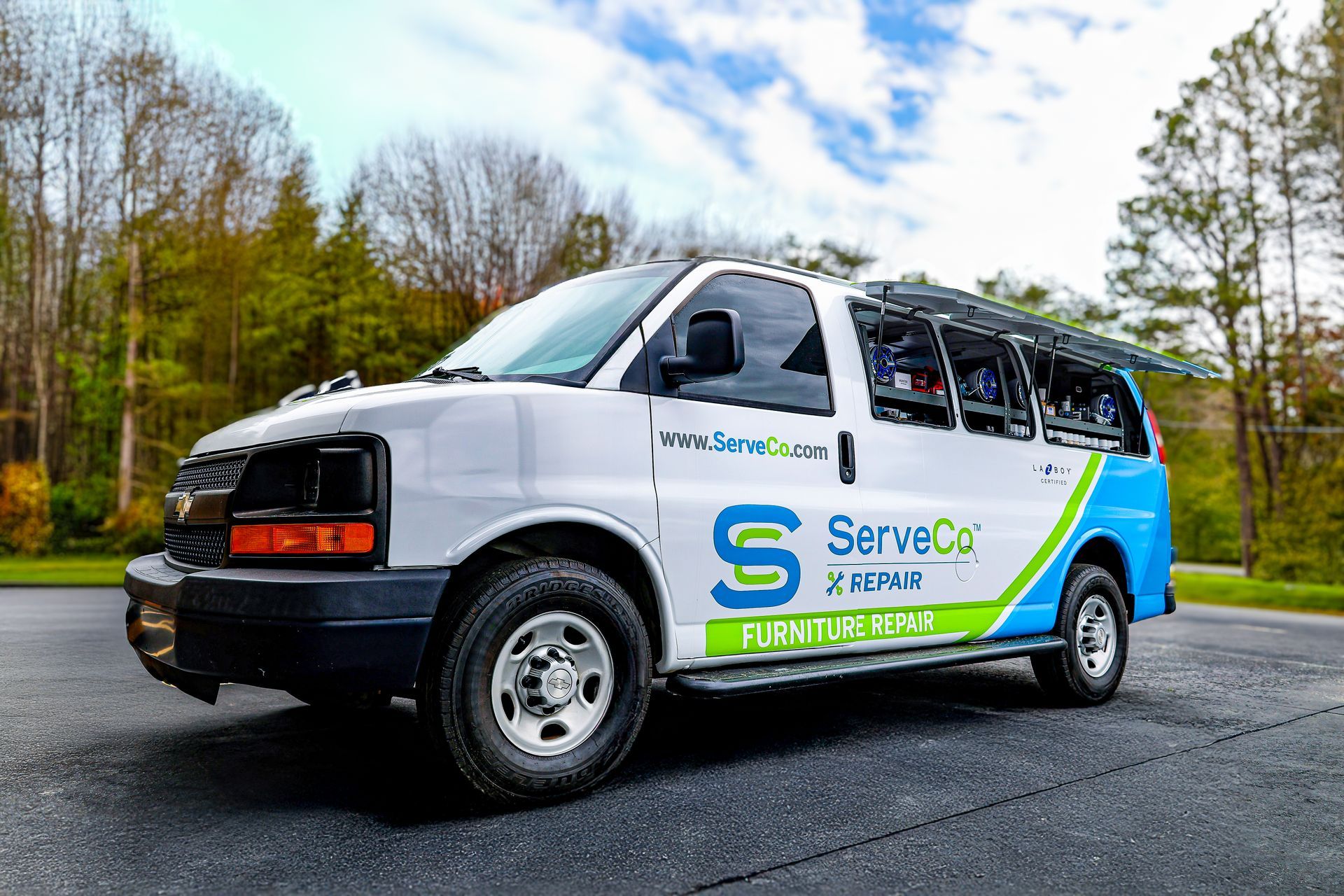
If you are a furniture retailer looking to increase revenue, improve customer satisfaction, and build long term loyalty, extended service programs are no longer optional. They have become a core part of how successful retailers operate in today’s competitive environment. Furniture is a major purchase for most customers. Whether it is a sofa, mattress, or dining set, buyers are investing in something they expect to last for years. At the same time, concerns about damage, wear, and long term durability are always present. Extended service programs address these concerns directly, giving customers confidence in their purchase while creating additional value for the retailer. ServeCo has built its extended service programs specifically around the real lifecycle of furniture. Unlike generic warranty providers, the focus is on how furniture is actually used and what issues customers experience over time. This includes stains, structural issues, and everyday wear that are not typically covered under manufacturer warranties. From a business perspective, extended service programs create immediate and long term benefits. One of the most impactful is increased average order value. When customers feel protected, they are more likely to move forward with larger purchases or higher quality products. The protection plan removes hesitation and allows them to commit with confidence. Another major advantage is customer retention. When a service issue arises and is handled professionally, it turns what could have been a negative experience into a positive one. Instead of losing trust, the customer gains confidence in your brand. This creates repeat business and long term relationships that go far beyond the initial sale. Extended service programs also help reduce return rates. Without a protection plan, customers are more likely to return products when issues arise. With coverage in place, those same issues can be resolved through repair or service, preserving revenue and maintaining customer satisfaction. ServeCo’s approach stands out because it is not one size fits all. Different customers have different needs, and offering tiered protection options allows retailers to match coverage to each purchase. This creates more opportunities to sell protection plans while meeting customers where they are. In today’s retail environment, differentiation is everything. Products alone are no longer enough to stand out. The experience you provide before, during, and after the sale is what defines your brand. Extended service programs are a key part of that experience, allowing you to offer something competitors may not. For furniture retailers looking to grow, improve margins, and build stronger customer relationships, extended service programs are one of the most effective tools available. ServeCo provides the structure, expertise, and support needed to implement these programs successfully and turn them into a long term advantage.

The furniture industry has always been about craftsmanship, style, and the ability to create spaces that feel like home. What has changed in recent years is how much technology has become part of the customer experience, even in areas that were once considered purely operational. Warranties, protection plans, and in-home repairs used to be handled with paper forms, phone calls, and a lot of waiting. Customers accepted that as normal. Today, expectations have shifted. Shoppers want speed, transparency, and convenience in every interaction, and that includes how their warranties and service requests are managed. Technology is no longer a side piece of the puzzle. It has become the backbone of modern warranty and repair programs. For furniture retailers, this shift represents both a challenge and an opportunity. The challenge lies in the fact that traditional methods cannot keep up with customer expectations. The opportunity lies in using technology to deliver a better experience, protect margins, and strengthen long-term loyalty. Think about how customers interact with service in other industries. When they order something online, they can track it in real time. When they request a ride, they know exactly when the driver will arrive. When they make a service appointment, they get automatic reminders and updates. This level of communication has created new standards across the board. Furniture retailers cannot afford to ignore this shift, because customers will hold them to the same expectations. If a warranty claim feels slow or confusing, it reflects poorly on the retailer, even if the issue is with the manufacturer or a third-party provider. This is where companies like ServeCo are changing the landscape. By integrating advanced technology into every stage of the warranty and repair process, ServeCo ensures that retailers can meet modern expectations without having to build expensive systems on their own. Instead of relying on outdated paper trails and disconnected contractors, retailers who partner with ServeCo gain a platform that connects claims, communication, and in-home service in one streamlined system. One of the most important advantages of technology in this space is transparency. Customers want to know what is happening with their claim at every stage. They do not want to call multiple times to get an update or wait for someone to call them back. ServeCo’s platform allows for real-time tracking, meaning customers can see when their claim is being reviewed, when a repair is scheduled, and when a technician is on the way. That visibility reduces frustration and builds trust. Technology also improves efficiency for the retailer. Managing warranty claims in-house is time-consuming and costly. Staff must review paperwork, coordinate with technicians, and follow up with customers. Mistakes can lead to disputes, refunds, or lost business. ServeCo’s system automates much of this process, reducing errors and ensuring that claims move forward quickly. That efficiency translates into lower costs and higher customer satisfaction, which is a combination every retailer is looking for. Another area where technology makes a difference is in routing and scheduling repairs. Without advanced tools, scheduling technicians is a logistical nightmare. Customers may have to wait weeks for an appointment, and technicians often waste hours traveling inefficient routes. ServeCo integrates with platforms like DispatchTrack to optimize scheduling and routing. Customers receive accurate appointment windows, and technicians spend less time on the road and more time completing repairs. This not only saves money but also makes the entire experience smoother for the customer. The ability to collect and analyze data is another powerful benefit. In the past, retailers had little visibility into how warranty claims and repairs were impacting their business. They might know how much they were spending, but they had no clear picture of claim frequency, repair success rates, or customer satisfaction. ServeCo’s technology changes that. Retailers gain access to detailed reporting and analytics, allowing them to see trends and make smarter business decisions. If a particular product line generates a high volume of claims, they can address the issue with the manufacturer. If customers consistently rate the repair process highly, they can highlight that as a selling point. Data that was once hidden becomes a tool for growth. From the customer’s perspective, technology makes warranty programs feel like a value-added benefit rather than a hassle. When a problem arises, they can easily submit a claim online or through a mobile-friendly system. They receive updates automatically, and they know what to expect. This ease of use makes customers more likely to purchase protection plans in the first place because they trust that using them will not be a headache. The more customers trust the process, the more protection plans a retailer can sell, which directly increases revenue. Retailers also gain the ability to scale without sacrificing service quality. As a business grows, so does the volume of warranty claims and repair requests. Without technology, scaling this side of the business becomes overwhelming. Calls pile up, claims get lost, and customer satisfaction drops. ServeCo’s platform is built to handle volume efficiently, meaning retailers can grow their sales without worrying that their service processes will collapse under pressure. It is also important to point out how technology enhances brand reputation. In today’s world, reviews and word-of-mouth carry enormous weight. A single bad service experience can spread quickly online. On the other hand, a smooth, technology-driven warranty process can generate positive reviews and referrals. Customers notice when things feel modern, seamless, and professional. They are more likely to talk about their positive experience, and that word-of-mouth can bring in new business. By partnering with ServeCo, retailers ensure that their brand is associated with reliability and innovation, not outdated service models. Looking to the future, technology in warranty and repair programs will only become more advanced. Artificial intelligence, predictive analytics, and automation will continue to raise the bar for what customers expect. Retailers who ignore these advancements will fall behind. Those who embrace them now will be positioned as leaders. ServeCo has already taken significant steps in this direction, building systems that adapt to new technologies while staying focused on the unique needs of the furniture industry. At the end of the day, furniture is still about people choosing products that make their homes comfortable and beautiful. But the service that follows those purchases is equally important. Customers want to know that if something goes wrong, they will be taken care of quickly and professionally. Technology is what makes that possible in today’s world. Retailers who recognize this shift and align themselves with partners like ServeCo will not only protect their bottom line but also build lasting loyalty. If your store is still managing warranties and repairs with outdated methods, now is the time to rethink your approach. The role of technology is no longer optional. It is the foundation of modern customer service, and it is what separates successful retailers from those that struggle to keep up. ServeCo has the tools, the expertise, and the network to deliver the kind of service your customers expect in 2025 and beyond. The question is whether you are ready to give them the experience they deserve.

In the furniture industry, the sale is never truly finished when the customer leaves your store. A sofa may look perfect on the showroom floor, but once it is delivered into someone’s home, there are countless variables that can impact its long-term satisfaction. Accidental damage, wear and tear, or even issues with delivery can all lead to repair needs. How those repairs are handled says as much about your business as the initial sales experience. For many retailers, the challenge has been finding a way to manage in-home furniture repairs on a national scale while keeping quality consistent and customers happy. For years, most retailers relied heavily on independent contractors or third-party service providers to handle repair calls. On paper, it seemed like a simple solution. You connect a customer with a technician, the repair gets completed, and everyone moves on. The reality has always been more complicated. Independent contractors vary in quality, professionalism, and reliability. Some customers report great experiences while others face long wait times, missed appointments, or poorly completed repairs. As a retailer, you are left accountable for the outcome, even though the technician is not part of your business. That inconsistency has been one of the biggest challenges for retailers who care about their reputation. Customers today expect more. They are accustomed to service experiences in other industries that are fast, transparent, and consistent. When they book a ride, they can track the driver. When they order food, they can see the progress of their delivery. When they make a purchase online, they receive real-time shipping updates. These expectations now carry over to furniture repairs. Customers want to know when the technician will arrive, they want clear communication, and they want the confidence that the repair will be done right the first time. Meeting those expectations requires a new approach. This is where nationwide in-home repair networks are transforming the industry. Instead of relying on scattered contractors, forward-thinking companies are building structured networks of technicians who are employed, trained, and managed under a single system. ServeCo has led the way in this area by creating a company-owned repair network that prioritizes consistency and quality at scale. This approach changes the game for retailers because it removes the uncertainty that has always surrounded third-party service models. When a repair is handled through a structured network, the retailer can trust that the same standards are applied whether the customer is in a large city or a small town. Technicians are trained not just on repair techniques but also on customer interaction. They represent the brand in the home, and their professionalism reflects directly on the retailer. By standardizing the training and oversight, ServeCo ensures that every repair experience aligns with the promise you made at the point of sale. That kind of reliability is invaluable in protecting your reputation. The benefits extend beyond the service itself. A nationwide in-home repair network is supported by advanced technology that improves communication and transparency. ServeCo integrates tools that allow customers to receive real-time updates, track technician arrivals, and provide feedback immediately after service. This not only improves the customer experience but also provides retailers with insights into performance. You know how quickly repairs are being completed, how satisfied customers are, and where improvements can be made. Data that was once invisible is now at your fingertips, giving you the ability to make better business decisions. There is also a significant financial advantage to a company-owned repair network. Independent contractors often come with fluctuating costs and inconsistent availability. Retailers end up paying more during peak times and struggling to schedule repairs when demand is high. With ServeCo’s model, costs are predictable, and scalability is built in. Whether you are a single-store retailer looking to expand your reach or a large national chain managing thousands of service calls, the system adapts without sacrificing quality. That flexibility allows you to grow confidently without worrying about whether your repair process can keep up. Another important consideration in 2025 is customer loyalty. Furniture is a major investment, and customers want to feel like their purchase is protected. A smooth repair process builds trust. When a problem is resolved quickly and professionally in the customer’s home, it reinforces their decision to buy from you. On the other hand, a poor repair experience can undo all the goodwill created during the sales process. With online reviews carrying so much influence, even one negative repair experience can spread quickly and damage your reputation. Partnering with a structured nationwide repair network significantly reduces that risk. The trend toward in-home repairs also reflects a larger shift in consumer expectations. People want convenience and solutions that fit seamlessly into their lives. They do not want to haul a sofa back to a store or wait weeks for a replacement. They want someone to come to their home, fix the problem, and leave them satisfied. Meeting that expectation is no longer optional. Retailers who fail to provide convenient repair options will lose customers to those who do. By aligning with ServeCo’s nationwide network, you can meet modern expectations and stand out from competitors who are still relying on outdated methods. Looking ahead, the retailers who thrive will be those who embrace service as a core part of their value proposition. Selling furniture is about more than just offering the right styles and prices. It is about providing an experience that carries through the life of the product. Nationwide in-home repair is the key to delivering that experience. It strengthens loyalty, increases referrals, and creates opportunities for future sales. Customers who feel taken care of are far more likely to return when they need their next piece of furniture. ServeCo has designed its repair network to give retailers exactly that advantage. With trained technicians, advanced technology, and a focus on consistent quality, ServeCo takes the burden of repair off your shoulders while protecting your brand’s reputation. You gain the peace of mind of knowing every repair is handled professionally, and your customers gain the confidence that they are buying from a retailer who truly stands behind their products. The furniture industry in 2025 is more competitive than ever, but it is also full of opportunity. Customers are spending, but they are also more selective about where they shop. By offering nationwide in-home repair services backed by ServeCo, you give yourself a differentiator that builds trust and drives loyalty. Instead of seeing service as a cost center, you can see it as a growth strategy. The investment you make in post-sale service pays dividends in customer satisfaction and repeat business. In the end, the choice is simple. You can continue to rely on inconsistent third-party contractors and hope for the best, or you can partner with ServeCo to deliver a consistent, high-quality repair experience across the country. One path leaves your reputation vulnerable. The other path turns your service process into a competitive advantage. In 2025, the retailers who choose the latter will be the ones leading the industry forward.

For most furniture retailers, the conversation with a customer ends at the point of sale. A sofa, a dining set, or a bedroom suite gets delivered, and the hope is that the buyer is satisfied enough to return in the future. The problem is that satisfaction alone is not always enough to build loyalty in today’s competitive market. Customers are overwhelmed with choices both in-store and online, and if the next shopping experience feels uncertain, they will look elsewhere. This is where extended protection plans become a powerful tool, not only for increasing sales but also for building lasting loyalty. Extended protection plans are not just add-ons at the register. When positioned correctly, they change the way customers perceive their purchase and the way they perceive your store. Think about the psychology of furniture buying. Customers are investing in large, often expensive pieces that they expect to last for years. At the same time, they know accidents happen. A child might spill juice on the new sectional. A pet might scratch the recliner. A dining chair could loosen after a few months. Without a plan in place, these small but real possibilities create hesitation. Shoppers worry about what could go wrong, and that hesitation can prevent them from completing the sale. When you offer an extended protection plan, you address those concerns in the moment. Instead of worrying about stains, scratches, or mechanical failures, customers see that you have anticipated their concerns and have a solution ready. That reassurance makes it easier for them to commit, and it often pushes them to buy more expensive or higher quality pieces because they feel protected. By presenting protection plans as part of the sales conversation, you remove one of the biggest barriers to closing the sale and, as a result, increase your revenue per transaction. The financial impact is significant. Extended protection plans generate additional margin for the retailer, which can make the difference between a good month and a great one. But the benefits go beyond the immediate increase in revenue. These plans also create a structured, long-term relationship between you and the customer. Instead of being a one-time transaction, the purchase is now linked to years of coverage, during which you remain part of the customer’s experience. Every time they use the plan or think about it, your store is top of mind. That presence is powerful for building loyalty and repeat business. Customers today also expect transparency and care from the companies they buy from. When you offer a plan that is backed by a trusted provider like ServeCo, you show that you are serious about standing behind your products. This is different from the traditional retail model where the burden of issues falls on the customer. With a protection plan, you are saying to your customers that you are here to make their lives easier and that you will handle problems quickly and professionally. That message builds confidence and helps customers trust you with larger purchases in the future. The other side of this equation is the actual fulfillment of the service. Many retailers worry that protection plans will backfire if claims are mishandled or if customers feel like they are being denied unfairly. That concern is valid, which is why who you partner with matters. ServeCo specializes in furniture protection plans and understands the nuances of coverage and repairs. When a customer files a claim, the process is handled efficiently, with clear communication and professional in-home service when needed. This level of follow-through keeps your promises credible and strengthens the bond between you and the customer. Protection plans also have a way of reducing post-purchase anxiety. Buying furniture is often a big decision, and many customers feel stress after spending thousands of dollars. If they worry that something might go wrong, that stress can turn into regret, which is dangerous for long-term loyalty. A well-structured protection plan replaces that regret with peace of mind. Instead of second-guessing their purchase, customers feel reassured that they made the right decision. That confidence is tied directly to your store, and it increases the likelihood that they will come back when they are ready for their next piece. Another important aspect is differentiation. Furniture is a competitive space, and many retailers compete on price alone. That is a race to the bottom that rarely ends well. Protection plans allow you to compete on value instead. You are not just selling a sofa or a mattress, you are selling the assurance that it will be taken care of for years to come. This makes your offer stand out from competitors who may only be focused on delivering the lowest price. Customers who value peace of mind will choose the store that offers protection and service over one that simply offers a discount. Technology plays a role here as well. Modern protection plans powered by ServeCo are not just paper contracts filed away in a drawer. They are supported by technology that allows for easy claim submission, clear updates, and transparent communication. Customers feel like the process is modern and responsive, which enhances their perception of your business. These small details matter in a market where customer experience is often the deciding factor between one retailer and another. Over time, the effect of offering extended protection plans compounds. Higher average ticket sizes, additional margin from plan sales, reduced buyer hesitation, and stronger loyalty all contribute to growth that is sustainable. Instead of constantly chasing new customers, you build a base of repeat buyers who return because they trust you to stand behind what they buy. That kind of loyalty is hard to replicate without the structure of a program designed to protect customers long after they leave the showroom. It is important to recognize that protection plans are not just about the customer. They are about you, the retailer, too. When issues arise, the cost of handling repairs or replacements often falls directly on the store. That can be unpredictable and damaging to your bottom line. With a protection plan administered by ServeCo, those costs are shifted into a system designed to handle them. You protect your margins while still delivering excellent service to the customer. That balance is what makes the model so effective. The furniture industry has always been about more than products. It is about the experiences people create in their homes and the trust they place in the stores they buy from. Extended protection plans are a way to align your business with that trust. They show that you are committed to the customer’s experience long after delivery. They provide financial benefits to your store while reducing hesitation and increasing sales. Most importantly, they keep customers tied to your brand in a way that simple transactions cannot. ServeCo has built its entire business around making these programs effective for retailers. With years of expertise in furniture warranties, in-home repairs, and customer service, ServeCo ensures that protection plans are not just pieces of paper but meaningful commitments that build real loyalty. If you want to increase your sales, grow your margins, and build a base of customers who keep coming back, extended protection plans are one of the most powerful tools available. And ServeCo is the partner who can help you deliver them the right way.
When you think about running a successful furniture retail business, your mind usually goes to product selection, merchandising, and marketing. You focus on attracting customers, closing sales, and delivering the pieces that transform a house into a home. What often does not get as much attention is what happens after the sale, when a customer has a question about their purchase, needs help with a warranty claim, or requires service on a product. That is where the true test of customer loyalty begins, and for many retailers the decision comes down to whether to manage customer service in-house or to partner with a specialist. At first glance, keeping customer service in-house feels like the natural choice. You know your customers, you want to control the experience, and you may believe you can save money by managing everything yourself. The reality is that customer service in the furniture industry is much more complex than it appears. Between staffing costs, training requirements, turnover, technology demands, and the expertise needed to handle furniture-specific issues, in-house operations quickly become one of the most expensive parts of your business. The cost of staffing alone is significant. Every call that comes in requires a trained representative who understands how to handle warranty coverage, repair scheduling, delivery problems, and product questions. For a small store, even one or two employees can cost tens of thousands of dollars annually when you consider salary, benefits, and overhead. For larger retailers, the expense of an entire department can cut into margins in a way that is hard to justify. This does not even take into account the turnover that comes with customer service roles, which means constant recruiting and training to keep your team at the level your customers expect. Then there is the challenge of specialized knowledge. Furniture customer service is not the same as handling general retail returns or questions. When a customer calls about a recliner mechanism that is not working, or a sofa with upholstery damage, your team needs to know the difference between a repair covered under a manufacturer warranty and one that requires a service plan claim. They need to understand how to arrange in-home repairs and how to coordinate with technicians. If they do not, calls take longer, mistakes are made, and customers leave frustrated. That frustration can quickly damage your reputation and drive customers to competitors who appear more responsive. Technology adds another layer of cost. Modern customer service is not just about answering phones. Customers expect status updates, text alerts, online tracking, and clear communication at every step. Building the systems to handle this internally requires expensive software, integration with your existing sales systems, and the IT resources to keep it all running smoothly. Smaller businesses often cannot justify these investments, and even larger retailers struggle to balance the need for advanced technology with the realities of tight margins. All of these factors combine to create a picture that many retailers overlook. What starts as an attempt to control costs by managing customer service internally often becomes one of the most expensive and least efficient parts of the operation. Instead of focusing on selling furniture and building the business, owners and managers find themselves buried in service tickets, repair scheduling, and frustrated customers. This is why so many top furniture retailers are making the move to outsource their customer service and warranty support to companies that specialize in the industry. Partnering with a team like ServeCo eliminates the burden of staffing, training, and managing a service department. It puts your customer interactions in the hands of experts who deal with furniture claims, warranty coverage, and in-home repairs every single day. They know the terminology, the processes, and the best ways to resolve issues quickly while keeping your customers satisfied. The cost savings can be substantial. Instead of paying for full-time staff and the infrastructure required to support them, you only pay for the services you need. You gain scalability, meaning that whether you are handling a slow season or a holiday rush, your service levels remain consistent without the headache of adjusting staff. This flexibility alone saves money and helps you protect your reputation during high-volume times. Beyond the numbers, outsourcing to ServeCo improves the quality of your customer service. Their team is trained specifically in the nuances of furniture repairs, warranty processing, and protection plan coverage. They work as an extension of your brand, so your customers feel like they are dealing with your company directly, not a generic call center. The difference in expertise shows in shorter call times, faster resolutions, and happier customers. When problems are solved quickly and with care, customers are far more likely to buy from you again and to recommend your business to others. Another area where outsourcing pays dividends is in the handling of in-home repairs. Coordinating technicians, scheduling visits, and ensuring quality is a massive undertaking. ServeCo has built its own company-owned repair network to address this very challenge. Instead of depending on independent contractors who may or may not show up on time, ServeCo provides technicians trained to deliver consistent, professional service. This not only protects your customers’ satisfaction but also safeguards your brand reputation. The added value of technology should not be overlooked either. ServeCo integrates with advanced platforms like DispatchTrack, giving your customers the ability to track service appointments in real time and receive proactive communication. These tools are difficult for a retailer to implement on their own, but when you work with ServeCo, they are part of the package. You get a modern, transparent, and efficient service system without the massive upfront investment. When you step back and look at the full picture, the cost of in-house customer service is not just about payroll. It includes the time and energy taken away from running your core business, the expense of constant training and turnover, the challenge of building and maintaining technology, and the risk of delivering poor service that damages your brand. Compare that to outsourcing with ServeCo, where you gain industry expertise, flexible costs, advanced technology, and a team that protects your brand while improving your customer relationships. In the furniture industry, your customers expect more than just a sale. They expect you to be there when something goes wrong, when they have a question, or when they need help making their purchase right. If you cannot deliver that level of support consistently, your competitors will. The choice is whether you want to shoulder that burden yourself, with all the hidden costs that come with it, or whether you want to partner with a company that was built to handle it for you. ServeCo gives you the ability to keep your focus where it belongs, on growing your business, while ensuring your customers get the care and service they deserve. The real cost of handling customer service in-house is higher than most retailers realize. The better investment is choosing a partner who can deliver the expertise, technology, and support your customers expect. That partner is ServeCo.

If you're running a furniture retail business, you know how quickly things can pile up. Sales, delivery coordination, service requests, follow-ups, warranties, and repairs are all part of the day-to-day. It’s a lot to manage. And when customer service starts falling behind, it doesn’t just slow you down. It affects your brand reputation, your repeat customers, and even your bottom line. That’s why more and more retailers are turning to customer service outsourcing. Not to hand off the work and forget about it, but to partner with professionals who can handle it efficiently, while you stay focused on growing your business. At ServeCo, we’ve built our FlexServe program specifically for the furniture industry. We know the pain points. We know what customers expect. And we know how to represent your brand like it’s our own. Let’s talk about how outsourcing your customer service can actually save you time, money, and stress. The Real Cost of In-House Customer Service When you manage everything in-house, the true costs can sneak up on you. It’s not just about payroll. It’s about training, turnover, software, performance management, and keeping up with the volume of inquiries that come in after each sale. Here are a few things that furniture businesses often struggle with: Training staff on a wide range of products and warranty terms Handling busy seasons without burning out your team Managing multiple systems to track tickets, service calls, and repairs Dealing with emotional customers without clear processes in place Responding quickly to warranty requests or damage claims All of this takes time and resources that could be spent on selling more products or improving your in-store experience. And when things slip through the cracks, your customer satisfaction takes the hit. What Does Outsourced Customer Service Look Like? When you partner with ServeCo through FlexServe, your customer service is still your own. Your name, your voice, your quality standards. But now it’s supported by our trained team, our systems, and our experience. Here’s how it works: We take over the day-to-day service requests from your customers You get a dedicated support team trained on your products and policies All service tickets, claims, and follow-ups are tracked in one system We provide clear reporting so you can monitor performance at any time Our in-house technician network is ready to handle in-home repairs and cleanings if needed Your customers still feel like they’re talking to you. You still get the final say on policies and escalation. But now you’re not the one buried in the inbox or chasing down updates. Why It Works So Well for Furniture Retailers Furniture is different from other retail categories. It’s high-ticket. It’s emotional. It’s something people use every day. And when something goes wrong, customers expect a fast, helpful, and fair response. Outsourcing customer service to a general call center doesn’t usually work because they don’t understand the products. They don’t know what to ask when a recliner mechanism breaks. They don’t understand upholstery care or warranty claim requirements. That’s where we come in. ServeCo was built around the furniture industry. Our people are trained in furniture service, not just generic scripts. We understand what needs to happen to resolve issues quickly and correctly. That includes scheduling in-home technicians, submitting warranty claims, and walking customers through cleaning instructions or maintenance advice. The Benefits Add Up Here are some of the reasons furniture retailers tell us they made the switch to FlexServe: 1. Faster Response Times We handle customer requests efficiently, often within the same day. This keeps customers happy and reduces negative reviews or social media complaints. 2. Lower Overhead Instead of building out a full customer support department, you’re working with a team that already has the tools, experience, and staffing in place. 3. Fewer Headaches You don’t have to manage performance reviews, call scripting, or support software. We handle it all and give you visibility into the process. 4. Better Warranty Management ServeCo also manages protection plans and warranty claims, which means fewer gaps in communication between retailers and warranty providers. 5. Improved Customer Retention When customers have a smooth service experience after the sale, they’re more likely to come back. Good service builds loyalty. Bad service kills it. What About Control? This is a big concern for a lot of business owners, and we get it. You’ve built a reputation and don’t want someone else damaging it. That’s why we don’t operate like a traditional third-party service provider. We customize your support playbook based on how you want things handled. You’re not handing off your brand. You’re gaining a team that’s trained to represent it the way you want. If there are issues you still want to manage yourself, no problem. We’ll create clear guidelines and escalation paths so your team stays in the loop. You Stay in the Driver’s Seat We see this as a partnership, not a hand-off. You set the tone. We provide the team and the tools to make it happen. And if something isn’t working, we adjust. Whether you’re handling a single location or managing service across multiple stores, FlexServe scales with you. We also give you regular reporting so you can see: How many tickets we handled How fast we responded How each issue was resolved What your customer satisfaction scores look like This isn’t just about offloading work. It’s about building better service outcomes, without the chaos. How to Know If It’s Time to Outsource If you’re not sure whether this is the right move, here are a few signs to look for: You’ve had more than a few customer complaints lately Your team is overwhelmed trying to keep up with service requests You’re not tracking service performance at all Your warranty claims are taking weeks to resolve You’re worried about negative reviews hurting your reputation If any of those sound familiar, outsourcing might be worth a closer look. The Next Step We make it easy to explore your options. There’s no pressure. We’ll talk through your current process, show you how our system works, and give you a clear idea of what it would look like to switch. Whether you’re a small shop or a large retailer with multiple locations, our FlexServe model is built to flex with you. You can scale up or down as needed, and we’ll continue to evolve with your business.

f you’ve ever purchased a new sofa or recliner, odds are the salesperson offered you a protection plan. Maybe you added it because you have pets or kids. Maybe you just wanted peace of mind. But when something goes wrong and you file a claim, it can feel confusing if it’s denied or if the terms don’t quite match what you expected. That’s exactly why we wanted to talk about it. At ServeCo, we handle thousands of warranty requests, and we’ve seen just about every question and scenario that can come up. Let’s clear things up. This post is for anyone who has bought a protection plan, is thinking about getting one, or just wants to know what’s actually covered. Our goal is to be transparent, help you make informed decisions, and set you up to get the most out of your warranty if you ever need to use it. What is a Furniture Protection Plan? A protection plan is a service agreement that covers accidental damage to your furniture. It usually kicks in after you bring your furniture home and is designed to help extend its life. Unlike manufacturer warranties, which typically cover defects in materials or workmanship, a protection plan focuses more on real-life accidents. Think of things like food spills, ink stains, pet scratches, or rips and tears from everyday use. It’s important to note that this kind of plan is meant to supplement, not replace, your manufacturer’s warranty. If there’s a structural defect in your new chair’s frame, that’s probably a manufacturer issue. But if your toddler gets creative with a permanent marker, that’s where the protection plan comes in. What’s Typically Covered Let’s talk about what a solid furniture protection plan usually includes. While every plan has its own terms, these are the most common types of accidental damage that are often covered: Food and beverage stains Ink, makeup, or nail polish stains Accidental rips, cuts, or punctures Pet damage from claws or chewing (usually limited) Broken frames or mechanisms from single incidents Cracked wood or glass from accidents Seam separation or loose stitching We’ve seen everything from red wine spills to crayon-covered cushions, and many of these fall under coverage when the right steps are followed. The key thing here is that the damage must be accidental and sudden. That’s where many people get tripped up, so let’s break it down further. What’s Not Covered This is where it gets a little more complicated, but we think honesty is always better than surprises. The most common reason claims are denied is that the damage wasn’t caused by a single incident. We know this can be frustrating to hear, but here’s what that really means. Let’s say your recliner’s fabric has been wearing down over time. It’s not torn, but it’s clearly looking worn. That’s not a sudden accident, it’s regular use. If you notice a stain that’s been building up for weeks or months from body oils, it may not qualify either. Same goes for damage from repeated pet activity or multiple spills that were never cleaned up. Here are some other common exclusions in most plans: General wear and tear Cumulative damage Fading, pilling, or peeling Odors or smells from pets or smoke Improper cleaning methods or unapproved cleaners Damage from moving or improper use Stains that were not reported within the required time frame (usually a few days) We don’t say this to scare you off. We just want you to know how to get the most out of your plan. One of the best things you can do is read the terms and conditions when you buy your coverage. We know, no one loves reading the fine print, but knowing the basics can save you time and frustration later on. How to File a Claim the Right Way If something does happen to your furniture, here’s how to give yourself the best shot at a quick and successful claim process: Act quickly Most plans require you to report the issue within a set time. If you spill something, don’t wait. Even if you’re not sure if it’s covered, go ahead and start the claim. Take clear photos Good documentation is key. Take photos of the full piece of furniture and close-ups of the damage. Make sure they’re well-lit and show exactly what happened. Explain the incident Your claim will ask what caused the issue. Be specific and honest. “I dropped a glass of red wine” is much better than “There’s a stain I just noticed.” The more accurate the information, the better we can assess it. Use approved cleaners only Trying to fix the damage yourself with harsh chemicals or tools can make it worse. If your plan includes a cleaning kit, use that. Otherwise, wait for instructions before applying anything. Have your receipt or plan number handy This helps us find your information faster and move things along. If you don’t have it, call us and we’ll help you locate your plan using your name and address. The Goal Isn’t to Say No We get it. You wouldn’t buy a protection plan unless you believed it would help when you need it. And we don’t like denying claims. Our team is made up of people who care about doing the right thing, but we also have to follow the plan guidelines. When a claim gets denied, it’s often because the damage doesn’t fit the accidental or sudden criteria, or because it wasn’t reported in time. That’s why education is such a big part of our approach. The more you know about what’s covered and how the process works, the more likely you are to have a good experience if something goes wrong. Tips to Protect Your Furniture (and Your Coverage) Protection plans are a great safety net, but the best strategy is still prevention. Here are a few tips we always share with customers: Rotate cushions regularly to avoid uneven wear Keep pets off furniture if possible or use covers Don’t eat or drink on light-colored upholstery Keep furniture away from direct sunlight to reduce fading Clean up spills immediately with a clean cloth Don’t use cleaners unless they’re approved for your fabric or leather type Taking a little extra care now can help prevent damage that wouldn’t be covered later. It also keeps your furniture looking great longer, even if you never end up filing a claim. We’re Here to Help At ServeCo, we’re proud of the coverage we offer and the service we provide. Every day, we help families get their furniture repaired, cleaned, or replaced through our protection plans. And while no plan can cover everything, we believe in making the process simple and fair for everyone. If you have questions about your coverage, want to start a claim, or just want to talk through what’s included, don’t hesitate to reach out. Our team is here to walk you through every step. You can also visit our support page to learn more, view claim status, or contact us directly.