Why Furniture Retailers Need a Better Post-Purchase Service Strategy
For furniture retailers, the customer experience does not end when the sale is made. In many ways, the most important part of the customer relationship begins after delivery. A customer may love the way a sofa, dining set, recliner, mattress, or sectional looks in the showroom, but their long-term opinion of the retailer is often shaped by what happens once that product is inside their home. If there is a stain, scratch, mechanical issue, delivery concern, or warranty question, the way that issue is handled can determine whether that customer comes back or chooses another retailer next time.
That is why a strong post-purchase service strategy is so important for furniture retailers. Customers are not just buying a piece of furniture. They are buying confidence. They want to know that if something happens after the sale, there is a clear process, a responsive support team, and a real solution available. Retailers that can offer that level of support have a major advantage in a competitive market.
One of the biggest challenges for furniture stores is that service issues can quickly become time-consuming. A customer calls with a claim, the staff has to determine whether the issue is covered, someone has to review photos, schedule a technician, communicate updates, and make sure the customer knows what happens next. Without a structured process, this can pull sales teams and managers away from the work they need to focus on every day. Instead of selling furniture and helping new customers, they end up managing service requests, follow-ups, and frustrated customers.
A better post-purchase service strategy gives retailers a more organized way to handle those situations. It creates a clear path for customers to request help. It gives staff a defined process to follow. It also helps protect the retailer’s reputation by making sure customers are not left wondering who to call, what is covered, or when someone will get back to them. In furniture retail, communication matters just as much as the repair itself.
Extended furniture service programs and protection plans can also help retailers create a better experience after the sale. When customers purchase a protection plan, they have added peace of mind knowing that accidental damage or qualifying issues may have a path to resolution. This can help reduce stress for the customer and give the retailer a stronger value proposition during the sales process. Rather than simply selling a product, the retailer is offering long-term support.
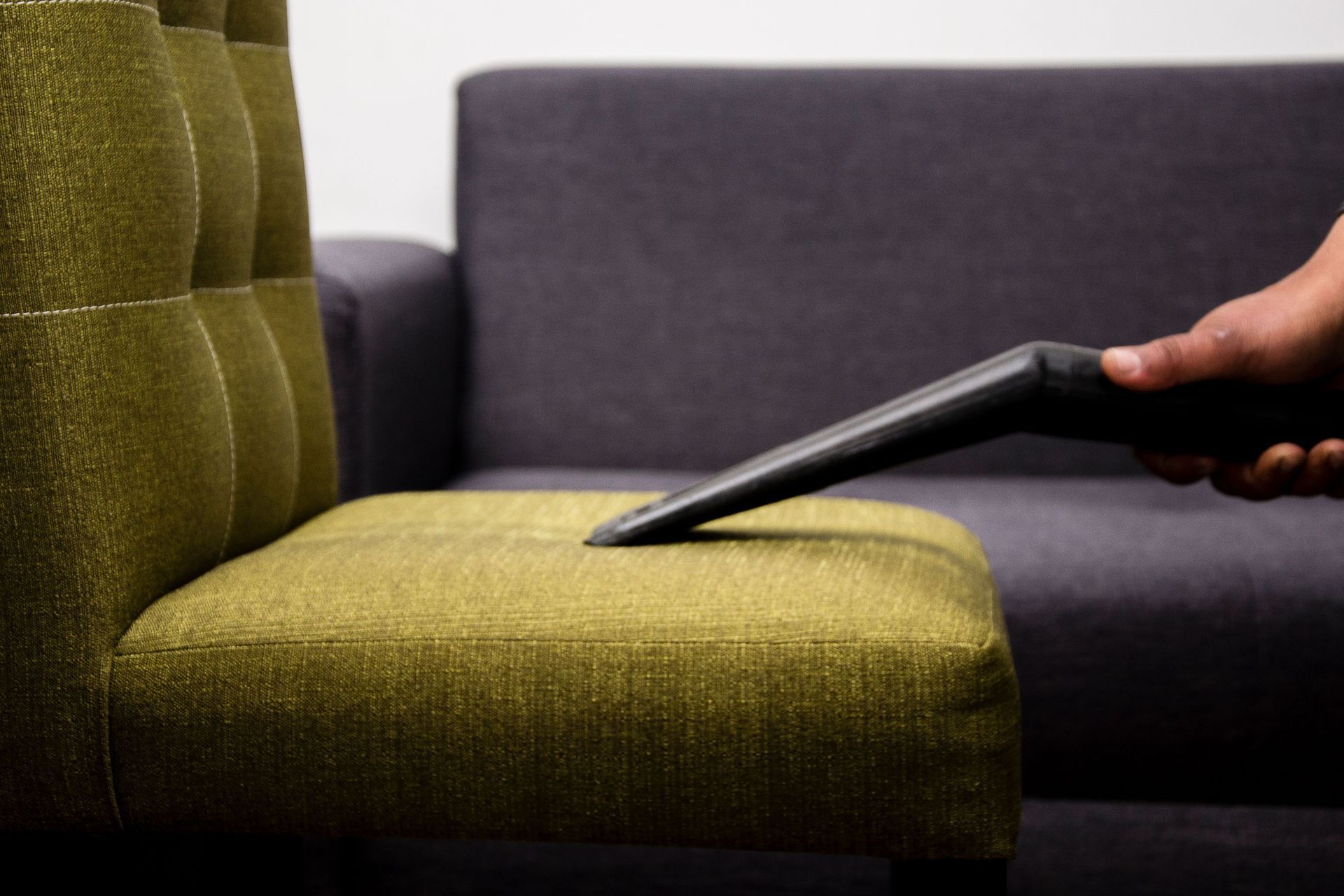
Furniture repair is another key part of the post-purchase experience. Many customers do not want to deal with the hassle of returning or replacing a large piece of furniture if the problem can be repaired. In-home furniture repair gives customers a more convenient option. Instead of moving heavy furniture back to the store or waiting through a complicated replacement process, a trained technician can assess the issue and work toward a solution directly in the customer’s home.
For retailers, this can also reduce operational headaches. Replacements, returns, and unhappy reviews can become expensive. A strong repair process may help save the sale, preserve the customer relationship, and reduce unnecessary product movement. When service is handled well, the customer is more likely to feel that the retailer stood behind the purchase.
A post-purchase strategy is also important because today’s customers expect updates. They are used to tracking packages, appointments, orders, and support requests online. Furniture service should not feel outdated or unclear. Customers want to know when their claim has been received, what information is needed, when a technician may be scheduled, and what the next step is. Retailers that can provide better visibility create more trust with their customers.
This is where the right furniture service partner can make a major difference. Instead of trying to manage every service request internally, retailers can work with a partner that understands furniture care, claims, customer communication, repair scheduling, and technician support. A dedicated service partner helps create consistency across the customer experience, especially for retailers with multiple locations or high sales volume.
A strong post-purchase program can also help retailers stand out from competitors. Many furniture stores compete on price, promotions, and selection. Those things matter, but service can be the difference that keeps customers loyal. When a customer knows that a retailer has a clear plan for protecting their purchase and helping them after delivery, it builds confidence before they buy.
Furniture retailers should look at post-purchase support as part of the overall sales strategy, not just a back-end service function. The better the experience after the sale, the more likely customers are to leave positive reviews, refer friends and family, return for future purchases, and trust the retailer with larger investments.
A great showroom experience may win the first sale. A great post-purchase experience helps win the next one. For furniture retailers that want to grow, protect their reputation, and improve customer loyalty, building a better service strategy after the sale is no longer optional. It is one of the most important parts of creating long-term success.