Extended Furniture Service Programs: What Retailers and Manufacturers Should Know
Extended furniture service programs are becoming an increasingly important part of the furniture buying experience. Customers are investing in sofas, sectionals, recliners, dining tables, bedroom sets, mattresses, and other pieces that they expect to use for years. With that investment comes a need for confidence. They want to know what happens if something goes wrong after the sale, and retailers and manufacturers need a reliable way to support them.
For furniture retailers and manufacturers, extended service programs can create value on both sides of the transaction. Customers receive added protection and support, while businesses gain a stronger way to improve satisfaction, reduce service confusion, and build long-term loyalty. When structured correctly, these programs do more than handle claims. They help protect the customer relationship.
A furniture protection plan is different from a basic product warranty. A manufacturer warranty typically focuses on defects in materials or workmanship. This may include certain frame issues, manufacturing problems, or product defects that occur under normal use. An extended service program or protection plan may be designed to help with accidental stains, damage, or issues that happen after the furniture has been delivered and used in the home. The exact coverage depends on the plan, which is why clear communication is so important.
Retailers should make sure their sales teams understand how to explain these programs in simple terms. Customers do not want confusing fine print at the point of sale. They want to know what is covered, what is not covered, how long they have to report an issue, and what the process looks like if they need help. The more clearly the program is explained, the more confident the customer will feel about adding protection to their purchase.
Manufacturers also benefit from strong extended service programs because service issues often reflect back on the product brand. Even when a problem is caused by normal use, customer expectations can still impact how they view the manufacturer. If the service experience is slow, confusing, or inconsistent, it can damage brand trust. A structured program helps make sure customers have a more professional experience when they need support.
One of the most important parts of an extended furniture service program is the claims process. A customer should not have to make several calls, explain the same problem multiple times, or wonder whether their request was received. A strong claims process should make it easy to submit information, provide photos when needed, receive updates, and understand the next steps. The smoother the process, the less frustration the customer feels.
Technology has also become a bigger part of furniture service programs. Many customers expect online claim filing, mobile communication, and status updates. Retailers and manufacturers that rely on outdated systems can fall behind customer expectations. A modern service program should support better communication between the customer, retailer, manufacturer, administrator, and technician.
Furniture-specific expertise is another major factor. Furniture is not like every other consumer product. It includes upholstery, leather, wood, motion mechanisms, frames, finishes, cushions, seams, and hardware. Different materials require different repair methods. A general claims administrator may not understand the details of furniture construction or the best way to resolve certain issues. A service provider with furniture experience can help create better outcomes.
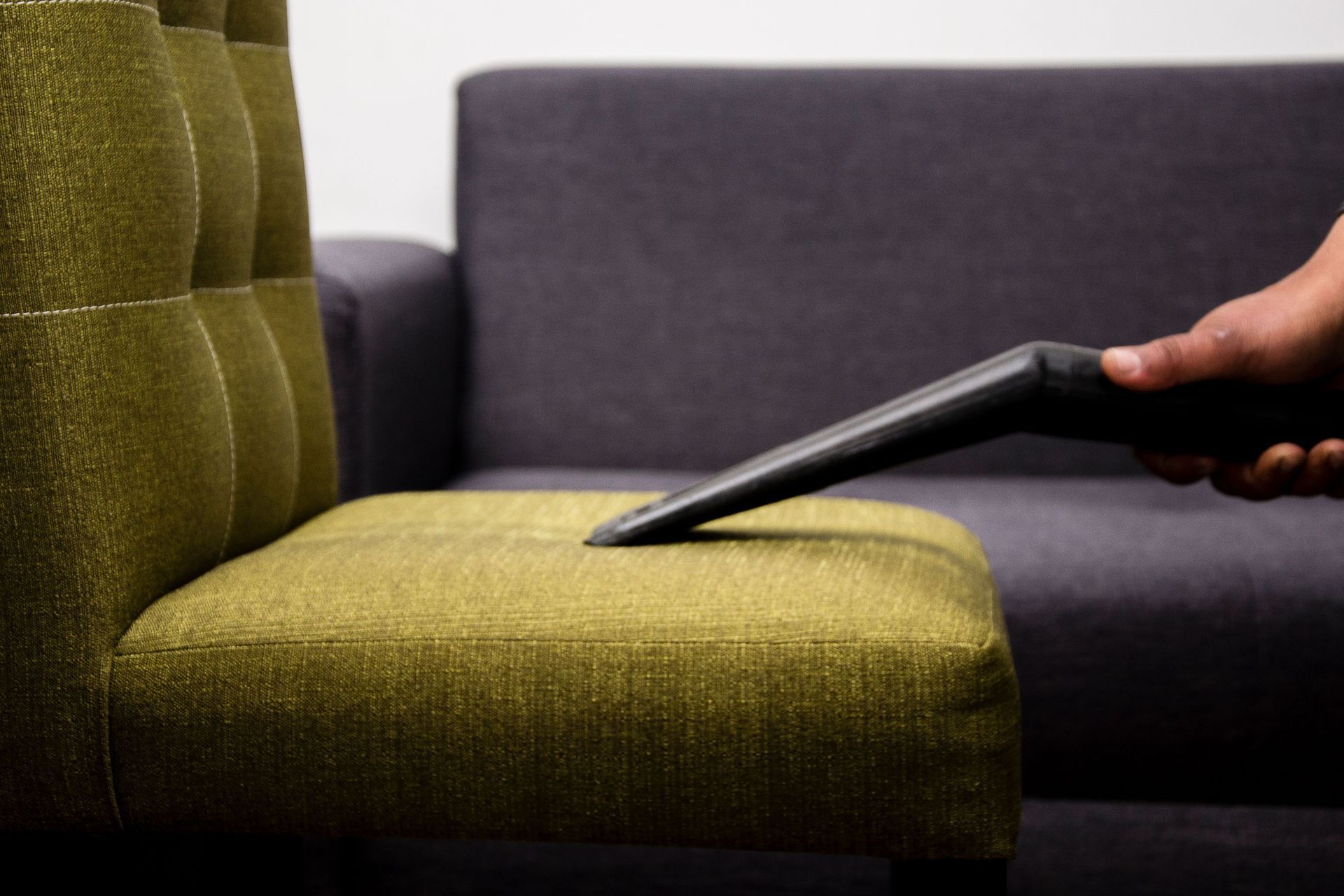
In-home furniture repair can also play a valuable role in extended service programs. Many issues do not require a full replacement. A trained technician may be able to clean a stain, repair damage, adjust a mechanism, address a seam issue, or restore a finish. For customers, this is often more convenient. For retailers and manufacturers, it can help reduce the cost and complexity of returns or replacements.
A well-designed extended service program can also become a sales advantage. Customers are often more comfortable making a larger furniture purchase when they know support is available after delivery. This can be especially helpful for families, pet owners, or customers buying high-use items like living room furniture and dining furniture. Protection plans can help remove hesitation by giving customers peace of mind.
Retailers should also think about how these programs affect their internal operations. Without a good service process, store teams can spend too much time managing claims, answering customer complaints, and coordinating repairs. That can distract from sales and create inconsistent experiences across locations. An extended service partner can help organize the process and free the retailer’s team to focus on new customers and growth.
When choosing an extended furniture service program, retailers and manufacturers should look for clear coverage options, trained support teams, efficient claim handling, furniture repair knowledge, technician access, reporting, and strong communication. The goal should not be to simply offer a plan at checkout. The goal should be to provide a service experience that supports the customer long after the purchase.
Furniture is personal. It is part of a customer’s home, routine, and lifestyle. When something goes wrong, they want to feel supported. Extended furniture service programs help retailers and manufacturers deliver that support in a more organized and professional way.
For businesses that want to increase customer confidence, protect their reputation, and build stronger relationships after the sale, extended service programs are an important part of the modern furniture retail experience.