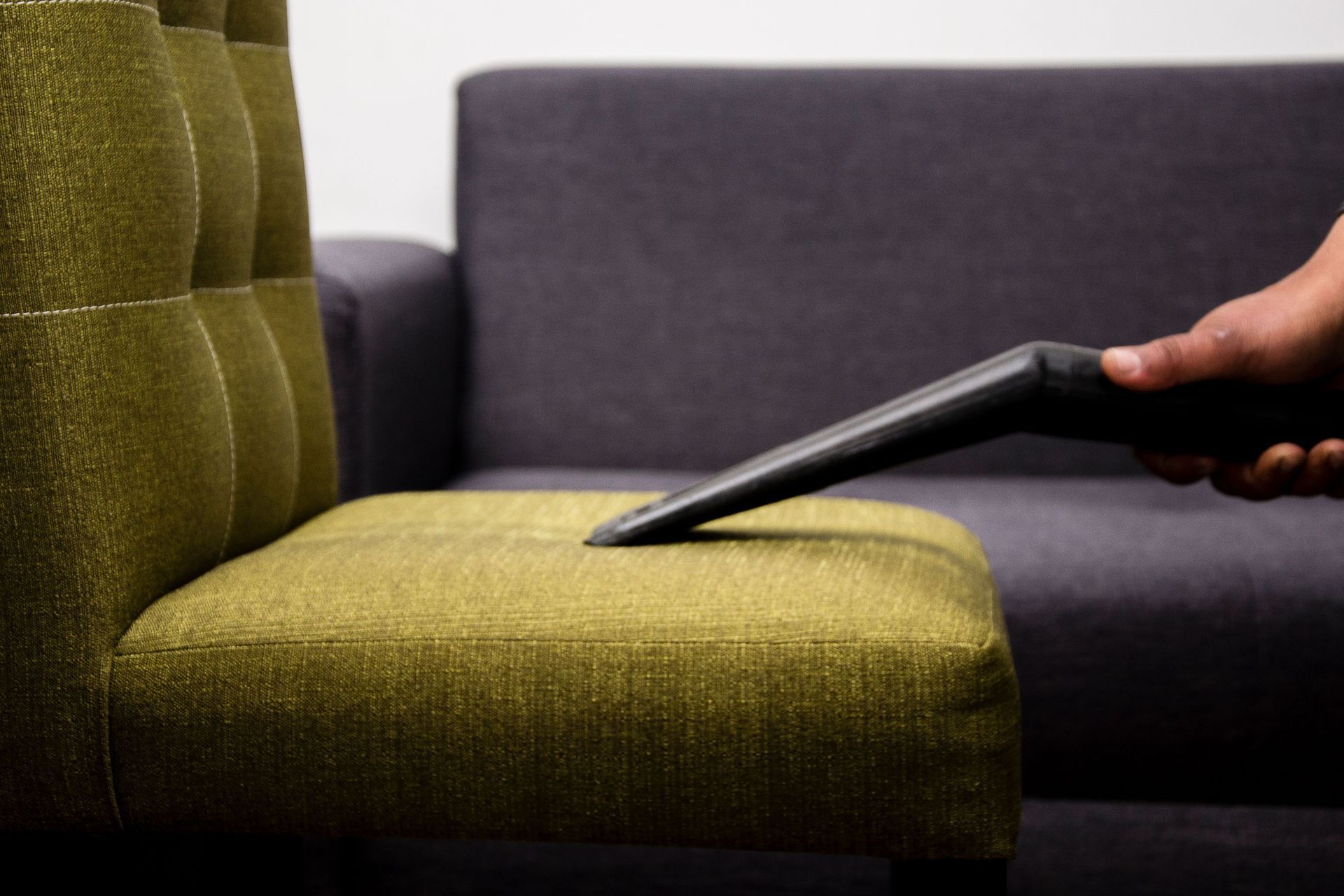
How In-Home Furniture Repair Improves Customer Satisfaction

When a customer has a problem with a piece of furniture, convenience matters. A sofa, recliner, sectional, dining table, or bedroom set is not easy to move. Most customers do not want to haul furniture back to a store, wait for a replacement, or spend weeks trying to figure out what comes next. They want a solution that is simple, clear, and handled with care. That is why in-home furniture repair can be such an important part of customer satisfaction.

In-home furniture repair brings the service directly to the customer. Instead of turning a furniture issue into a major inconvenience, a trained technician can assess the problem in the space where the furniture is actually being used. This creates a better experience for the customer and gives the service team a clearer understanding of the issue.

For furniture retailers, manufacturers, and protection plan providers, in-home repair can help turn a frustrating moment into a positive service experience. A customer may be upset when they first notice a stain, scratch, tear, loose part, mechanism issue, or other concern. But if the response is fast, organized, and professional, that customer is more likely to feel taken care of. The repair experience becomes part of the brand experience.

One of the biggest benefits of in-home furniture repair is convenience. Furniture is large, heavy, and often difficult to transport. Asking a customer to bring a damaged or defective item back to the store can create unnecessary frustration. It may also require multiple people, a truck, or a delivery team. In-home service removes much of that burden. The customer can stay in their home while a technician reviews and works on the issue.

In-home repair can also help reduce the need for replacements. Not every furniture issue requires a new product. Many concerns can be repaired, adjusted, cleaned, or improved by someone with the right training and tools. This can be better for the customer, better for the retailer, and better for the manufacturer. A successful repair can save time, reduce costs, and help preserve the original purchase.

The quality of the technician matters. Furniture repair requires knowledge of materials, construction, finishes, mechanisms, upholstery, leather, wood, and fabric care. A trained technician can identify whether an issue is cosmetic, structural, mechanical, or related to use. They can also help determine the best path forward. When the technician communicates clearly and treats the customer’s home with respect, it builds trust.

Communication is another major part of customer satisfaction. Customers want to know what is happening with their service request. They want to know when the technician will arrive, what information is needed, how the repair process works, and whether additional steps may be required. A strong in-home repair process should include clear updates before, during, and after the appointment.

For retailers, in-home furniture repair can help protect online reviews and customer loyalty. Many negative reviews are not just about the original problem. They are about how the problem was handled. A customer may forgive a furniture issue if the company responds quickly and professionally. But if they feel ignored, confused, or bounced between departments, frustration grows quickly. In-home repair gives retailers a better way to show customers that support continues after the sale.

In-home repair can also support sales teams. When retailers can confidently explain that service options are available after delivery, customers may feel more comfortable making a purchase. This is especially true for higher-ticket furniture, motion furniture, upholstered pieces, and family room furniture that will see daily use. Customers want reassurance that their investment is protected.

Another advantage is that in-home repair keeps the customer relationship more personal. A service call is a direct interaction between the customer and the brand’s support process. When handled well, that interaction can strengthen loyalty. The customer sees that the company did not disappear after the sale. They see that there is a real person helping solve the issue.

For manufacturers, in-home repair can provide helpful insight into recurring product concerns. When service teams are properly organized, repair trends can reveal valuable information about materials, construction, packaging, delivery, or product performance. This feedback can help improve future products and reduce repeated issues.

In-home furniture repair also works well as part of a broader protection plan or extended service program. Customers who purchase coverage want to feel that the plan has real value. When they can request service and have a qualified technician come to their home, the protection plan feels more useful and practical. It becomes more than paperwork. It becomes a real support system.

At the end of the day, customer satisfaction is about making people feel supported. Furniture problems can be stressful because they affect the customer’s home and daily life. In-home repair helps reduce that stress by providing a more convenient and professional solution.

For furniture retailers and manufacturers, offering in-home furniture repair is not just about fixing products. It is about improving the entire customer experience after the sale. When customers receive fast communication, skilled service, and a convenient repair option, they are more likely to trust the business, recommend it to others, and return for future purchases.


By VIV Builder June 15, 2026
Discover how furniture care programs build long-term customer loyalty with protection plans, in-home repair, and clear support that turns one-time sales into repeat business.
By VIV Builder May 25, 2026
Learn what to look for in a furniture repair and service partner, from in-home repair and claims expertise to technology, communication, and brand protection that keeps customers loyal.
By VIV Builder May 18, 2026
Learn why furniture retailers should outsource customer service and repair support to a dedicated partner to save time, improve satisfaction, and protect their reputation after the sale.
By VIV Builder May 11, 2026
Learn how furniture retailers can reduce service issues after delivery by setting expectations, documenting deliveries, training teams, and offering in-home repair to boost satisfaction.
By VIV Builder May 4, 2026
Discover the hidden cost of poor furniture claims management, from wasted staff time and bad reviews to lost sales, and how a better process protects loyalty and reputation.
By VIV Builder April 27, 2026
Understand the difference between furniture protection plans and manufacturer warranties, including what each covers, how claims work, and how to explain them clearly to customers.
By VIV Builder April 13, 2026
Extended furniture service programs are becoming an increasingly important part of the furniture buying experience. Customers are investing in sofas, sectionals, recliners, dining tables, bedroom sets, mattresses, and other pieces that they expect to use for years. With that investment comes a need for confidence. They want to know what happens if something goes wrong after the sale, and retailers and manufacturers need a reliable way to support them.
By VIV Builder April 6, 2026
Learn why furniture retailers need a better post-purchase service strategy, from protection plans and in-home repair to clear communication that builds loyalty and repeat sales.
March 23, 2026
In furniture retail, most of the focus is placed on the sale. Merchandising, pricing, promotions, and showroom experience all play a role in converting customers. While these elements are important, they represent only part of the overall journey. What happens after the sale often has a greater impact on long term success than the sale itself. Once a customer makes a purchase, their expectations shift. They are no longer evaluating your brand based on product selection or pricing. They are evaluating it based on delivery, service, and support. This is where many retailers lose momentum. The attention and effort that went into securing the sale are not always carried through the post purchase experience. ServeCo’s model is built around extending the customer experience beyond the transaction. By providing structured service and support, they help retailers maintain engagement and build stronger relationships. One of the most important aspects of the post sale experience is communication. Customers want to know what to expect and when to expect it. Clear and consistent communication reduces uncertainty and builds trust. When issues arise, the importance of communication becomes even greater. A delayed response or lack of clarity can quickly lead to frustration. On the other hand, a prompt and transparent response can turn a negative situation into a positive one. Service quality is another critical factor. Customers expect problems to be resolved efficiently and professionally. This requires trained technicians, clear processes, and reliable systems. ServeCo’s repair network is designed to deliver this level of consistency. By controlling the service experience, they ensure that customers receive the same quality regardless of location. Another important element is convenience. Today’s customers value simplicity and ease. Processes that are complicated or time consuming create friction and reduce satisfaction. Technology helps address this by providing tools for tracking, scheduling, and communication. Customers can see the status of their service request and stay informed throughout the process. The emotional aspect of the experience should not be overlooked. Furniture purchases are often tied to important moments, such as moving into a new home or upgrading a living space. When issues arise, they can feel more personal. Handling these situations with care and professionalism reinforces the customer’s trust in your brand. The long term impact of a strong post sale experience is significant. Customers who feel supported are more likely to return and recommend your business to others. In contrast, a poor experience can lead to negative reviews, lost customers, and missed opportunities. Retailers that prioritize the post sale experience differentiate themselves in a meaningful way. They create a complete journey that goes beyond the transaction and builds lasting relationships. ServeCo supports this approach by providing the infrastructure needed to deliver consistent, high quality service.  In today’s competitive market, the sale is just the beginning. The experience that follows is what defines your brand.
March 23, 2026
Many furniture retailers view service as a cost center. It is something that has to be managed, minimized, or controlled. While that mindset is common, it also limits growth. The reality is that service, when structured correctly, can become a meaningful source of revenue and a major driver of customer loyalty. The shift starts with changing how service is viewed. Instead of being reactive, it needs to become proactive and integrated into the overall business model. This means designing service in a way that supports both the customer experience and the financial performance of the business. One of the most direct ways service generates revenue is through protection plans. When customers purchase extended service coverage, they are investing in long term support. This creates immediate revenue at the point of sale while also opening the door for ongoing engagement. ServeCo’s extended service programs are designed to align with this model. They allow retailers to generate revenue from protection plans while also delivering real value to the customer. This combination is what makes service financially viable rather than purely operational. Another way service contributes to revenue is through retention. Acquiring new customers is expensive, especially in furniture retail where purchase cycles are longer. Keeping existing customers engaged is far more efficient. When service issues are handled well, customers are more likely to return. They feel supported and confident in the brand. Over time, this leads to repeat purchases and higher lifetime value. Service also creates opportunities for upselling and cross selling. When technicians or service teams interact with customers, they have visibility into how products are being used. This creates natural opportunities to recommend additional products, upgrades, or services. For example, a repair visit may reveal that a customer is ready for a replacement or an upgrade. These moments can be leveraged to drive additional sales if the process is structured correctly. Technology plays a key role in making this possible. Centralized systems allow retailers to track service interactions, identify opportunities, and follow up with customers in a meaningful way. This turns service into a data driven function rather than a reactive one. ServeCo integrates technology into its service model to support this level of visibility. Retailers can see what is happening across their service operations and use that information to drive decisions. Another important aspect is efficiency. Service becomes more profitable when it is managed efficiently. This includes optimizing scheduling, reducing travel time, and ensuring that technicians have the tools they need to complete jobs quickly. A structured service network, like the one provided by ServeCo, helps achieve this. By standardizing processes and training, retailers can reduce variability and improve outcomes. Cost control is also critical. While service can generate revenue, it must also be managed carefully to avoid unnecessary expenses. This requires clear processes, defined workflows, and continuous monitoring. Training is another factor that impacts profitability. Service teams need to understand both the technical and customer facing aspects of their role. When technicians are able to resolve issues quickly and communicate effectively, it improves both efficiency and satisfaction. The long term value of service extends beyond individual transactions. It shapes how customers perceive your brand. A business that handles service well is seen as reliable and trustworthy, which drives future revenue. For retailers willing to rethink their approach, service offers a significant opportunity. It can move from being a cost center to a revenue generating function that supports growth.  ServeCo provides the structure, technology, and expertise needed to make this transition. By aligning service with business goals, retailers can unlock new revenue streams and strengthen their customer relationships.