Cleaning vs. Sanitizing Furniture: What's the Difference?
You wiped down the sectional last weekend, so it's clean. Right? Maybe. Cleaning and sanitizing furniture are two different jobs, and doing one does not accomplish the other.
Knowing which one your furniture actually needs protects the fabric, saves you a repeat effort, and keeps you from reaching for a product that does more harm than good.
Cleaning vs. Sanitizing Furniture: The Short Answer
Cleaning removes what you can see and feel. Dirt, crumbs, body oils, pet hair, and the spot where someone set down a coffee cup.
Sanitizing reduces germs on the surface. It does nothing about the soil sitting on top of them.
Cleaning removes soil. Sanitizing reduces germs. One does not replace the other, and cleaning always comes first.
Sanitizing a dirty surface is mostly wasted effort. The solution binds to the grime instead of reaching the surface underneath.
What Cleaning Actually Does
Routine cleaning does more than make furniture look presentable. It extends how long the piece lasts.
- Lifts abrasive soil. Dirt and grit act like sandpaper between fibers every time someone sits down.
- Stops stains from setting. A fresh spill is a spot. A three-week-old spill is a stain.
- Removes oils. Skin oils and hair products build up on headrests and arms, and they attract more soil over time.
- Keeps color even. Uneven soil buildup makes upholstery look faded in the spots you use most.
The product matters as much as the effort. Our LuxeCare furniture care products include separate formulations for synthetic fabrics, natural materials, and blended textiles, plus dedicated options for leather, vinyl, wood, and glass. Using a fabric cleaner on leather, or an all-purpose spray on a delicate natural fiber, is how people end up with a bigger problem than the one they started with.
Always test any product on a hidden area first. The inside of a skirt or the back panel against the wall works well.
What Sanitizing Adds
Sanitizing targets what you cannot see. It matters most in homes with kids, pets, frequent guests, or anyone recovering from an illness.
Alcohol-based products are the common reach, and they come with tradeoffs. They can dry out and damage surfaces, they are flammable, and they stop working almost immediately after the surface dries.
Our ServeCare sanitizing solutions were built as an alternative. The line covers skin, furniture, and complete environments, and applies an EPA registered disinfectant along with an EPA registered solution that protects treated floors, walls, textiles, and plastics for 90 days afterward.
| Cleaning | Sanitizing | |
|---|---|---|
| Removes | Dirt, oils, crumbs, pet hair, spots | Germs on the surface |
| You can see the result | Yes | No |
| Typical frequency | Weekly to seasonally | As needed, after illness or heavy use |
| Order of operations | First | Second |
| Protects the material | Yes, by removing abrasive soil | Depends on the formula used |
How Often Should You Do Each?
There is no single schedule that fits every home, but this is a reasonable starting point:
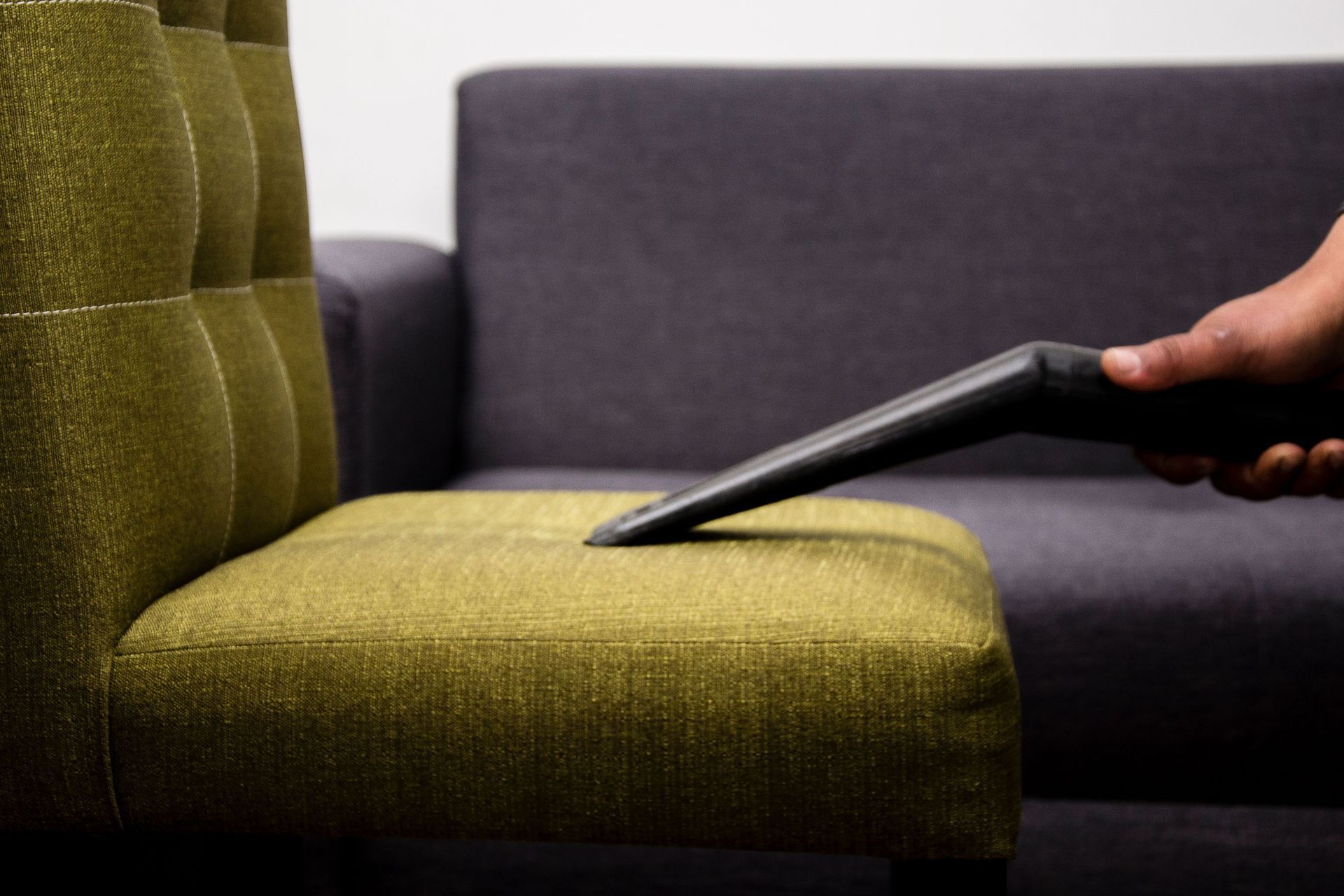
- Weekly: Vacuum upholstery, including under and behind the cushions.
- Immediately: Blot spills. Do not rub. Rubbing pushes the spill into the fibers and spreads it wider.
- Every three to six months: Do a full cleaning pass with a product matched to the material.
- As needed: Sanitize after illness in the house, after a stretch of heavy guest traffic, or in homes with pets.
Pieces that get daily use need attention more often than the formal chairs nobody sits in. Let the wear tell you.
Match the Product to the Material
Most furniture damage from cleaning comes from a mismatch, not from effort. A few rules that hold up:
- Leather and vinyl need a dedicated cleaner, then a conditioner. Skipping the conditioner leads to cracking.
- Wood surfaces need a polish, not a fabric spray.
- Synthetic upholstery tolerates more than natural fiber. Natural fiber needs a gentler hand and a patch test every time.
- Never mix products. Combining two cleaners can react in ways that discolor the surface permanently.
If you want to know exactly what is in a product before it touches your furniture, the safety data sheets are posted on our site by brand.
When Care Isn't Enough
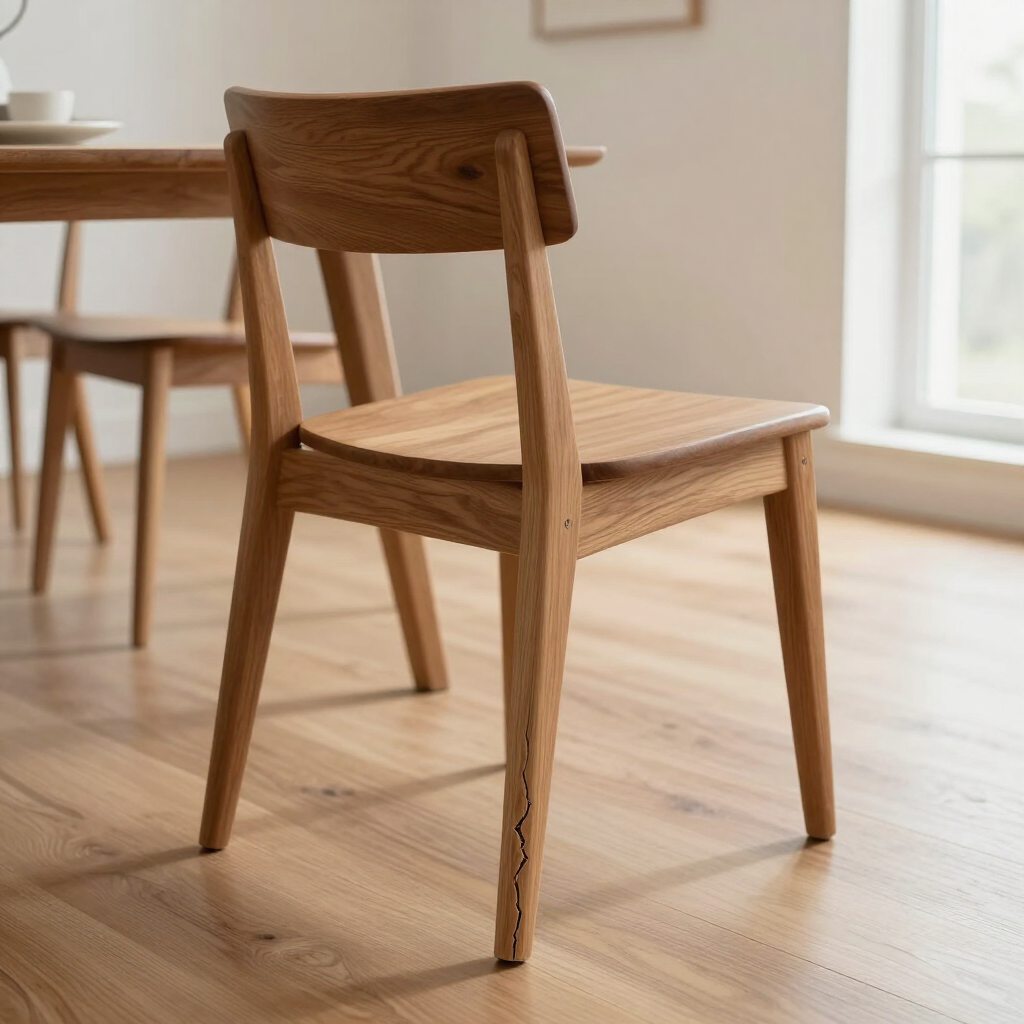
Some things do not respond to a cleaner, no matter how careful you are. A seam that has pulled apart. A frame that shifted. A reclining mechanism that stopped catching. A stain that soaked all the way through the foam.
At that point you are looking at service, not care. Start by checking whether the piece is covered under a protection plan or manufacturer warranty. If it is, that plan tells you who to call first.
If it is not covered, that is not the end of it. We manage private pay furniture repair requests, which means we handle the request from intake through resolution and arrange qualified on-site service for you.
Find the Right Care Products for Your Furniture
The fastest way to get this right is to identify your material first, then match the product to it. Browse our products and services to find the care line or service that fits your situation.
Not sure which one applies to your piece? Call us at 888-818-3229 and we will point you to the right one.