How Furniture Care Programs Help Build Long-Term Customer Loyalty
Customer loyalty in furniture retail is built over time. A customer may walk into a showroom for one purchase, but the real goal is to earn their trust for future purchases. They may need a sofa this year, a dining set next year, a mattress later, and bedroom furniture after that. The retailers that stay top of mind are the ones that create a strong experience before, during, and after the sale.
Furniture care programs can play a major role in building that loyalty.
When customers buy furniture, they are making an investment in their home. They want their purchase to look good, feel comfortable, and last as long as possible. A furniture care program gives customers more confidence by showing them that support is available after delivery. It sends a clear message that the retailer is not just focused on making the sale, but also on helping the customer enjoy the product long term.
A strong furniture care program may include protection plans, accidental damage coverage, warranty support, cleaning guidance, repair options, in-home service, and customer education. The exact structure can vary, but the goal is the same. Customers should know what to do if they have a problem and feel confident that there is a process in place to help them.
This matters because the post-purchase experience often determines whether a customer comes back. A customer may love the showroom and enjoy working with the sales team, but if they have a service issue later and feel ignored, that positive impression can disappear quickly. On the other hand, if the retailer helps them through a claim, repair, or care question, trust grows.
Furniture care programs also reduce uncertainty at the point of sale. Many customers worry about stains, pets, kids, wear, and daily use. This is especially true with upholstered furniture, dining furniture, motion furniture, and high-traffic family room pieces. When the sales team can explain available care and protection options, the customer feels more comfortable making the purchase.
A care program can also help salespeople shift the conversation from price to value. Instead of only discussing discounts, promotions, or monthly payments, the team can talk about long-term ownership. They can explain how the customer can protect their furniture, request service if needed, and get support after delivery. This creates a more complete buying experience.
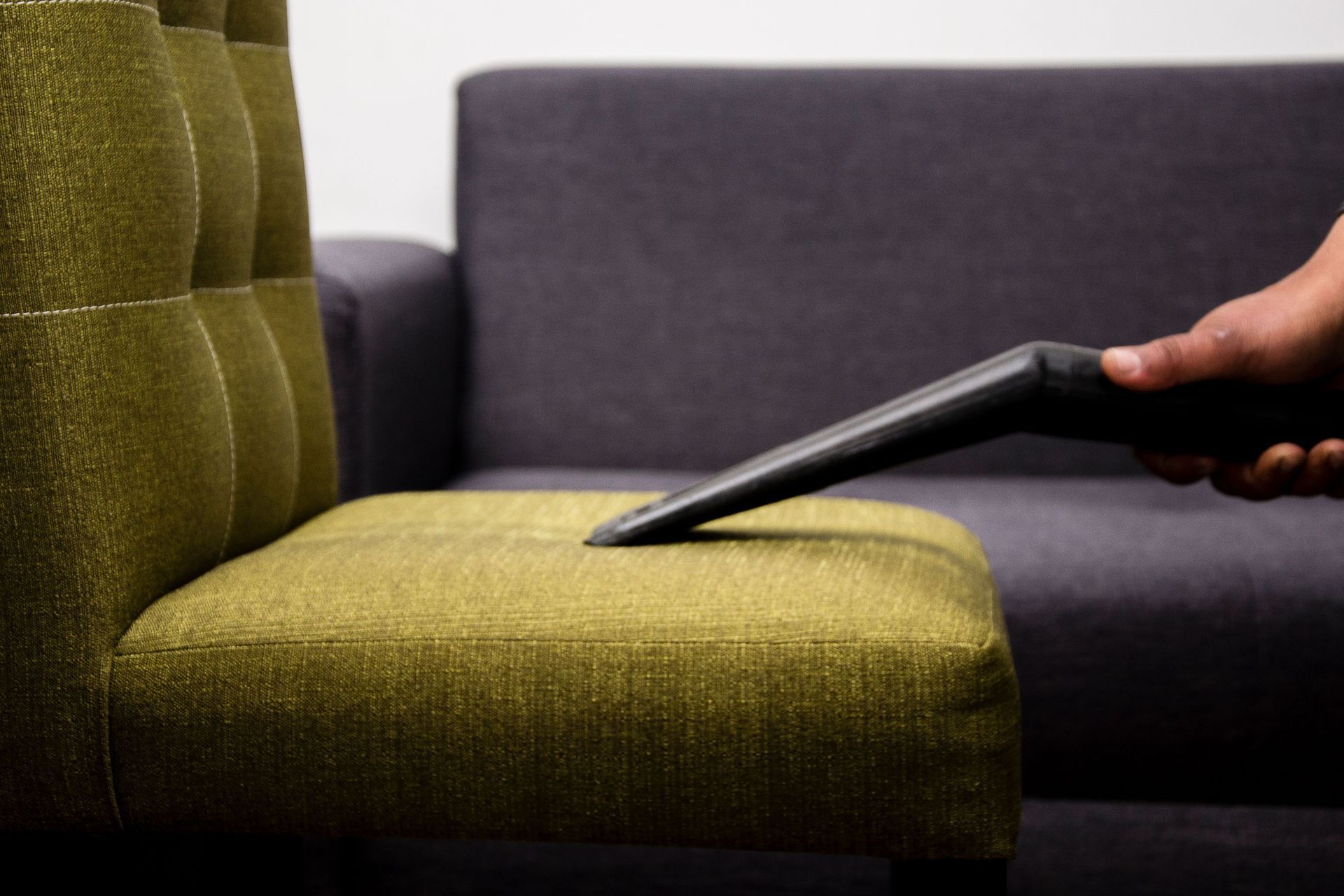
In-home repair is an important part of customer loyalty. Customers appreciate convenience. If a repair can be handled in their home, they are less likely to feel burdened by the issue. They do not have to figure out how to move large furniture, arrange transportation, or wait through a complicated replacement process. A skilled technician can help resolve many concerns in a way that feels easier and more professional.
Communication is another key part of loyalty. A furniture care program should make it easy for customers to understand what is covered, how to file a claim, and what happens next. Customers should not have to make multiple calls or wonder whether their request was received. Clear communication makes people feel valued.
Retailers also benefit from having a structured care program because it creates consistency. Without a defined process, service may depend on who answers the phone or which location the customer contacts. That can lead to uneven experiences. A formal care program gives customers a more reliable path to support.
Furniture manufacturers can benefit as well. When care programs are supported by organized claims and repair processes, manufacturers can gain better insight into product performance. They can see trends, identify recurring issues, and understand how products hold up in real homes. This information can help improve quality and reduce future service problems.
A furniture care program can also help protect online reviews. Customers often leave reviews when they feel strongly about an experience. A well-handled service issue can prevent a negative review and may even create a positive one. When customers feel supported, they are more likely to recommend the retailer to others.
Repeat business is one of the most valuable outcomes. A customer who has a good service experience is more likely to return when they need additional furniture. They already know the retailer, trust the process, and feel more comfortable buying again. This is especially important in furniture retail, where customer purchases can span many years and multiple rooms of the home.
Loyalty is not built by avoiding every problem. Problems will happen. Products may need service. Accidents may occur. Customers may have questions. What matters most is how those moments are handled. A furniture care program gives retailers and manufacturers a better way to respond.
For furniture businesses that want to increase repeat customers, improve satisfaction, and protect their reputation, care programs are a powerful tool. They help customers feel confident in their purchase and supported long after delivery.
A strong furniture care program turns a one-time sale into an ongoing relationship. That relationship is what drives loyalty, referrals, and long-term growth.