How a Furniture Product Loyalty Program Brings Buyers Back
Furniture has a retention problem that most categories do not. Someone buys a sectional, and the next natural reason to walk back into your store might be five years away.
A product loyalty program exists to shorten that gap. It gives the customer a reason to return that has nothing to do with buying another sofa.
Why Furniture Retail Loses the Customer After Delivery
Today's shoppers are more informed than they used to be. They know they have options, and they know furniture can arrive at their door without them ever visiting a showroom.
That combination produces a familiar pattern for brick-and-mortar operations: less store traffic, less frequent visits, and weaker loyalty to any one retailer or brand.
None of that is caused by the quality of the furniture. It is caused by the absence of a reason to come back.
The customer relationship does not end at delivery. It just goes dormant, and dormant relationships get replaced by whoever shows up next.
What a Furniture Product Loyalty Program Actually Is
The structure is simpler than the name suggests. A customer enrolls at the point of sale and receives an initial package of care materials for what they bought.
They use those materials at home. When they run out, they come back to the store to refill. That visit is the entire point.
Our Product Loyalty Programs run on that four-step cycle:
- The customer enrolls in the loyalty program with an initial package of materials.
- The customer uses the product materials at home.
- The customer returns to the retailer to replace materials as many times as needed.
- The customer sees the value and becomes a loyal customer.
Each refill visit is a chance for a conversation, a floor walk, and an add-on sale that would not have happened otherwise.
What the Program Does for the Store
Different pieces of the program serve different parts of the business. Worth separating them out:
| Program element | What it does for the store |
|---|---|
| Enrollment at point of sale | Creates a new revenue stream at the moment the customer is already buying |
| Unlimited refills | Drives repeat store visits and value chain interactions between major purchases |
| Everyday-use materials | Gives consumers new, ordinary reasons to think about the store |
| Unexpected product experience | Creates word-of-mouth conversations customers would not otherwise have |
| Private label option | Extends brand loyalty to the product itself rather than a third party |
The Products Have to Be Worth Refilling
A loyalty program built on materials nobody wants to use fails quietly. The customer takes the kit home, tries it once, and never comes back.
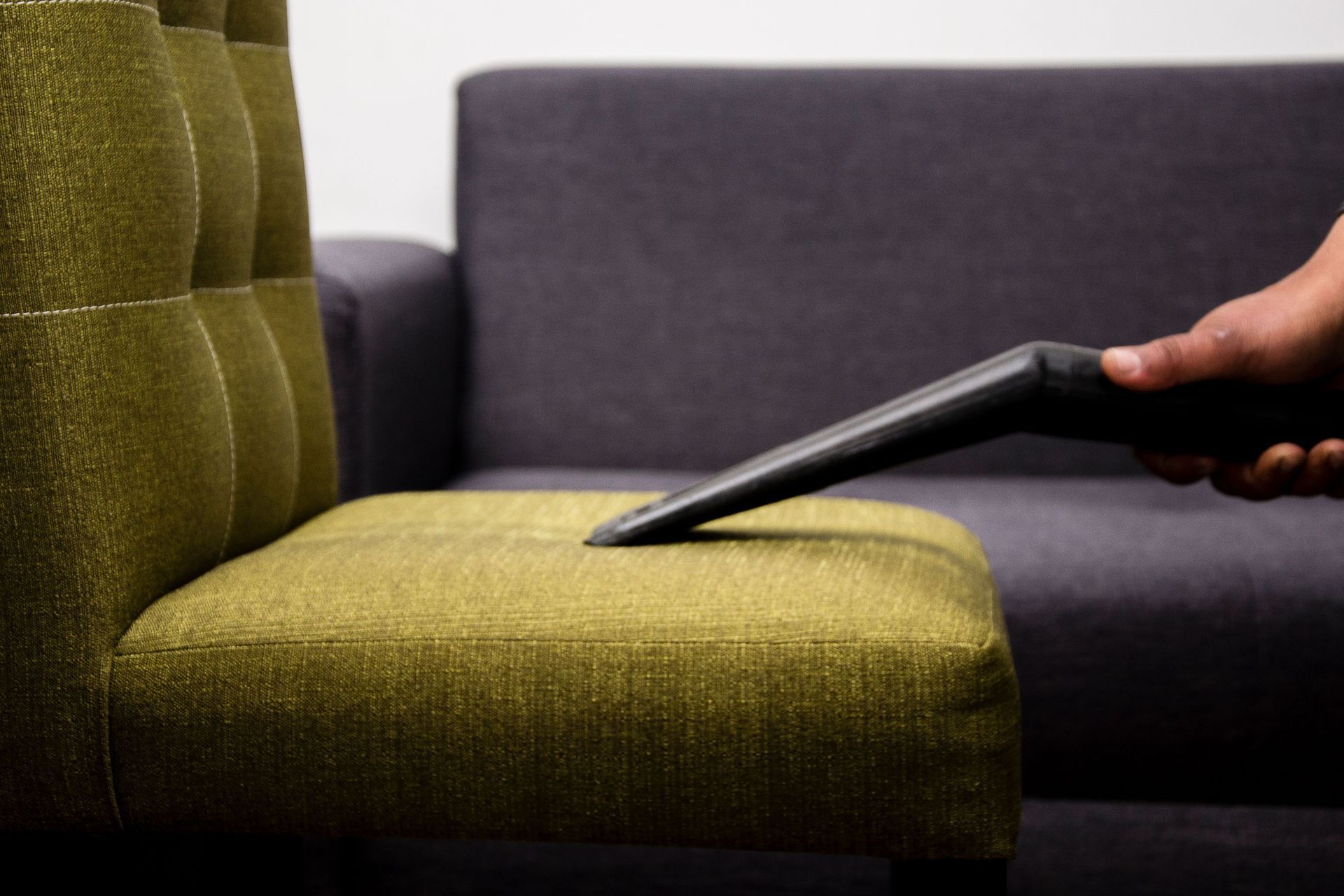
That is why the product line matters as much as the program mechanics. Our LuxeCare furniture care line covers fabric, leather, wood, glass, and linen, with formulations built for synthetic fabrics, natural materials, and blended textiles rather than one generic spray for everything.
When the products work, the refill visit takes care of itself. When they do not, no amount of program design fixes it.
Where It Sits Alongside Your Other Post-Sale Programs
Loyalty programs work best when they are not the only thing you offer after the sale.
A customer who bought care materials and later has a real service issue should not fall into a different, unrelated process. Pairing loyalty with Extended Service Programs means the post-sale experience holds together, with protection at the tier the customer chose and service requests managed from intake through resolution.
For retailers with a meaningful sleep business, Sleep Life extends the same idea into mattress and bedding, where protectors and refill materials follow a similar repeat cycle.
The goal in all three cases is the same. One coordinated post-sale experience instead of three disconnected ones.
Getting Your Sales Floor Behind It
Programs like this succeed or fail at the register. A few things consistently separate the stores where it works:
- Position it as care, not an upsell. Customers who just spent significant money want to know how to protect it.
- Tie it to the actual purchase. A leather buyer and a performance fabric buyer need different explanations.
- Make the refill process obvious. If a customer is unsure how to come back, they will not.
- Give the floor a reason to care. Track refill visits, not just enrollments. Enrollment is the start of the program, not the outcome.
Explore What a Loyalty Program Would Look Like for Your Stores
Start by reviewing our Product Loyalty Programs and how the enrollment and refill cycle is structured, including the private label options available.
Then start a conversation with our team or call 888-818-3229 to talk through your categories, your volume, and how the program would fit your floor.